


 0
0
Your cart is currently empty!
 Chat
ChatLiving room lighting can make or break how a room feels. I’ve walked into plenty of homes where the overhead lighting was fine, but something was missing. That something is usually wall lighting. Sconces for living room installations add layers of light that ceiling fixtures alone just can’t provide.
What I find interesting is how interior designers approach this. They’re not just throwing up any wall light and calling it done. They’re thinking about how sconces create depth, highlight architectural features, and give you control over the room’s mood. Let’s dissect what makes certain sconces work so well in living rooms and why designers keep coming back to specific styles.
Why Designers Love Sconces in Living Rooms
Here’s what I’ve learned from talking to designers: sconces solve problems that other lighting can’t. They fill in dark corners without taking up floor area. They provide task lighting for reading nooks without the glare of overhead fixtures. And they add visual interest at eye level, which is where most of your attention goes when you’re in a room. The best sconces for living room designs do all this while complementing your existing style rather than fighting against it.
When You Want Something Sleeker
Modern and contemporary living rooms call for sconces that match that aesthetic. The clean lines and simpler profiles work better with minimalist furniture and uncluttered interiors.

The Bel Air represents this direction. The 10-inch dome keeps that classic bowl shape, but the overall design reads more contemporary than industrial. I like how this style bridges different design approaches. It works in a modern farmhouse setting, but it’s equally at home in a more urban, contemporary living room.
Directional Lighting for Artwork and Features
Sometimes you don’t just want general illumination. You want to highlight something specific, like artwork, a gallery wall, or architectural details. That’s where directional sconces come into play.
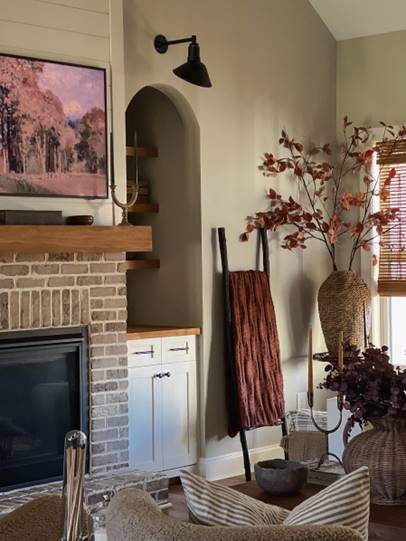
The Venice takes a different approach than typical sconces. The angled 9″ dome directs light back toward the wall rather than out into the room. This makes it ideal for illuminating specific features in your living room. If you’ve invested in art or have interesting textures on your walls, this type of sconce can make those elements really stand out.
The Medium-Sized Favorite That Works Almost Anywhere
One style that keeps showing up in designer portfolios is the industrial wall sconce with a dome shade. The Westchester is a good example of this approach. With its 12″ dome, it’s substantial enough to make an impact but not so large that it overwhelms your wall.
What makes this size work so well is the flexibility. You can flank a fireplace with a pair of these, and they’ll hold their own. Or you can use a single fixture to highlight a reading corner. The dome shape directs light both up and down, creating the layered lighting effect designers talk about.
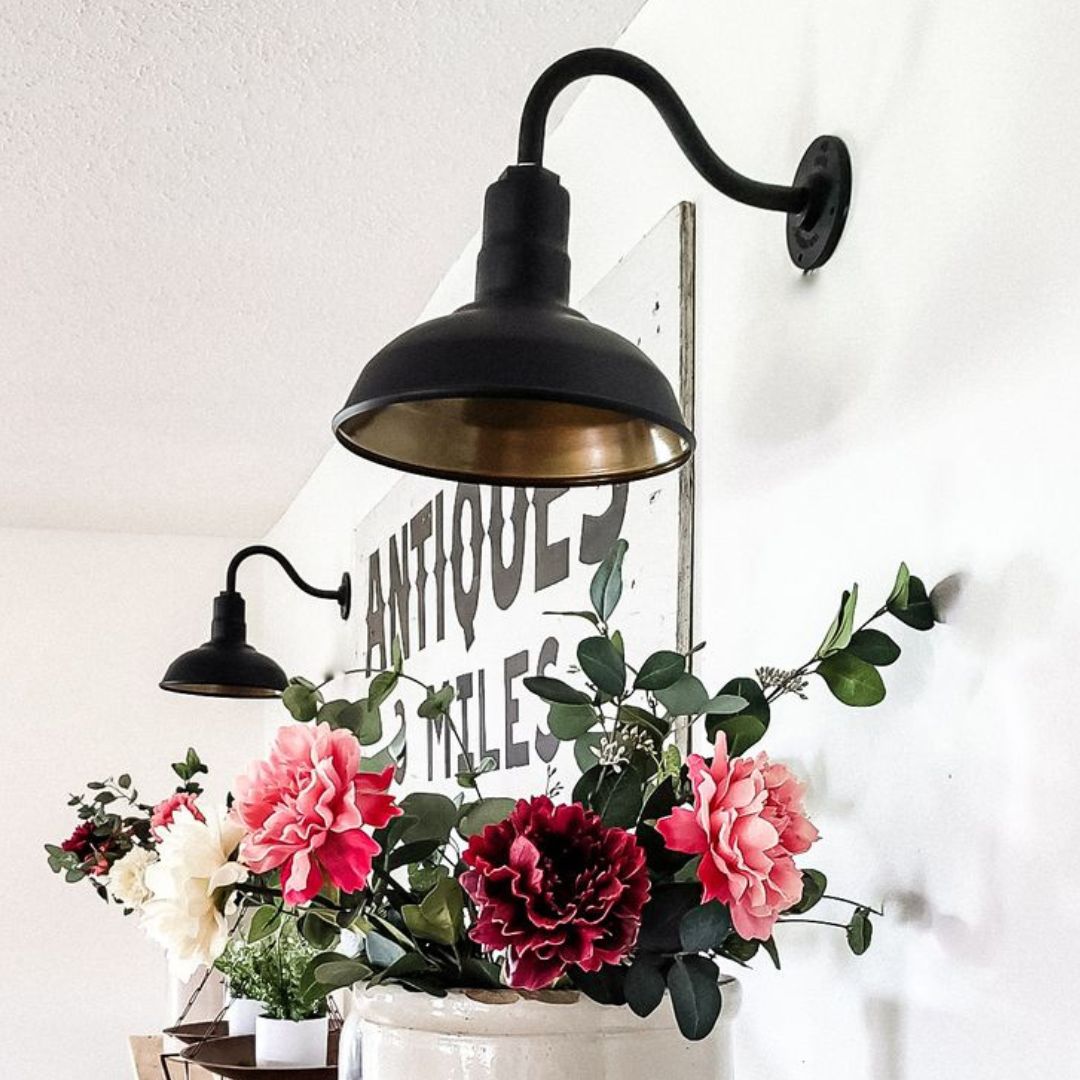
The arm configuration matters here, too. Straight arms keep the profile clean and modern. Gooseneck arms add more character and project the light further into the room. It is not uncommon for designers to use shorter arms in tighter living rooms and longer ones where they want the fixture to become more of a focal point.
Mixing Finishes with Your Living Room Palette
The finish you choose for sconces in living room installations should relate to your existing hardware and fixtures. If you have black window frames, black door hardware, or black accents in your furniture, black sconces create visual continuity. The same logic applies to other finishes.
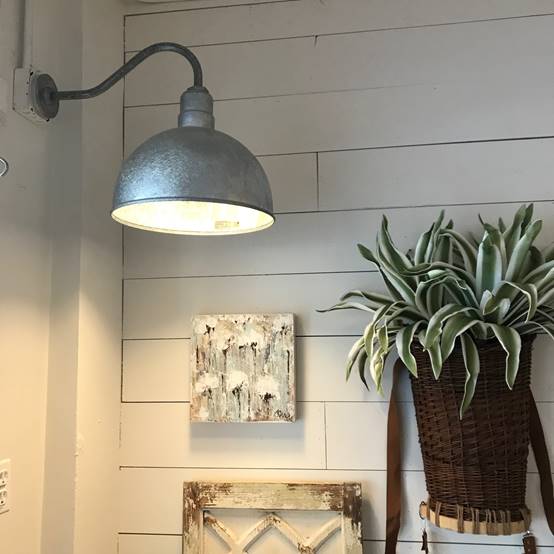
Galvanized lights or raw metal finishes work well in homes with industrial or rustic elements. They pair nicely with exposed wood, leather furniture, and natural materials. Powder-coated color finishes give you more control if you’re working with a specific color scheme.
Small Sconces That Pack a Punch
Not every wall can handle a medium or large fixture. Sometimes you need something more modest in scale but still interesting to look at. That’s where smaller sconces come in.
The Hawthorne, with its 8″ dome, fits this category well. Despite its compact size, it has enough presence to work as accent lighting throughout a living room. Pairs of these are used to frame artwork, positioned on either side of built-in shelving, or installed to create symmetry around architectural features.
Placement Strategies That Designers Use
Where you put your sconces matters just as much as which ones you choose. Designers typically install sconces for living room applications at heights between 60 and 72 inches from the floor, depending on ceiling height and furniture arrangement.
For reading areas, you want the light source at about shoulder height when you’re seated. That usually means installing on the lower end of that range. For general accent lighting or to flank a fireplace, going higher works better. If you’re lighting artwork, position the sconce so the light falls across the piece without creating glare.
Spacing is another consideration. When using pairs of sconces, designers usually place them 6 to 8 feet apart for balanced illumination. But this isn’t a hard rule. Sometimes asymmetrical placement works better, especially in less formal living room layouts.
The Practical Side: Wiring and Installation
Most designers work with electricians to hardwire sconces, which gives you the cleanest look. But if you’re not ready to cut into walls, plug-in sconces are an option. You’ll need to deal with the cord, but it’s a much easier installation.
Factor in switch placement, too. Nothing’s more frustrating than sconces you can’t reach to turn on. Three-way switches let you control them from multiple locations, which is helpful in larger living rooms. Dimmers are worth the extra cost because they give you control over the intensity.
Making Your Choice
Choosing sconces for living room installations comes down to understanding what you need the lighting to do and how it fits with your design direction. Consider the scale of your room, what you want to illuminate, and how the finish relates to your existing elements.
The sconces designers recommend most are the ones that solve specific lighting challenges while looking like they belong in your room. Be it an industrial dome style, a sleek contemporary bowl, or a directional fixture for artwork, the right choice is the one that works for your living room and how you use it.