


 0
0
Your cart is currently empty!
 Chat
ChatWhen winter rolls around, your outdoor lighting needs to do more than just look good. It needs to survive freezing temperatures, snow, ice, and everything else the season throws at it. I’ve seen too many homeowners discover their beautiful outdoor post lights flickering out or rusting away after just one harsh winter, and it’s frustrating when you’ve invested in what you thought was quality lighting.
We’ve done the homework on your behalf and collated a list of what matters when shopping for outdoor post lights that can handle winter weather. No fluff, just practical advice to help you make a smart choice.
Understanding What Winter Does to Your Lights
Before we get into specific features, it’s worth understanding what your outdoor post lights are up against. Winter isn’t kind to exterior fixtures. You’ve got rapid temperature swings that cause materials to expand and contract, moisture from snow and ice that seeps into every crack, and corrosive salt from roads and sidewalks that can eat through finishes.
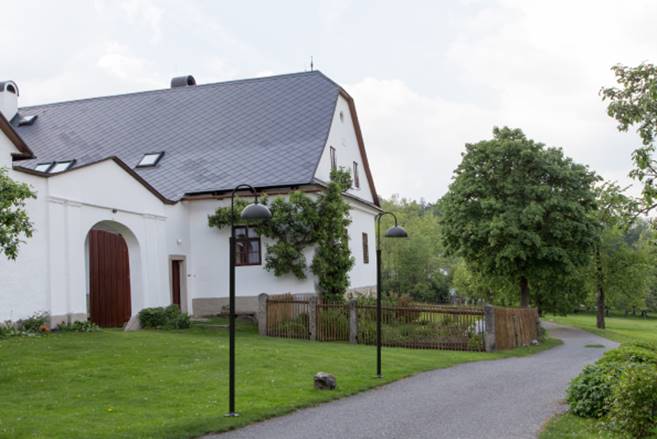
The lights that fail first are usually the ones made with cheap materials or poor construction. You know the type: they look decent in the store but start showing rust spots by February. That’s why material choice is your first consideration.
Material Matters More Than You Know
We make our lights from 18-gauge steel and add a powder coating to protect against rust. Though aluminum is a great option for weather resistance, it’s a much lighter and less reliable metal than steel. One of our best-selling fixtures is the Gardena, featuring thick steel and a powder-coated finish, which is a combination that gives you rust resistance and durability that lighter materials just can’t match. It’s our most popular fixture for a reason: that 16″ dome paired with your choice of gooseneck arm creates a classic look while standing up to whatever winter brings.
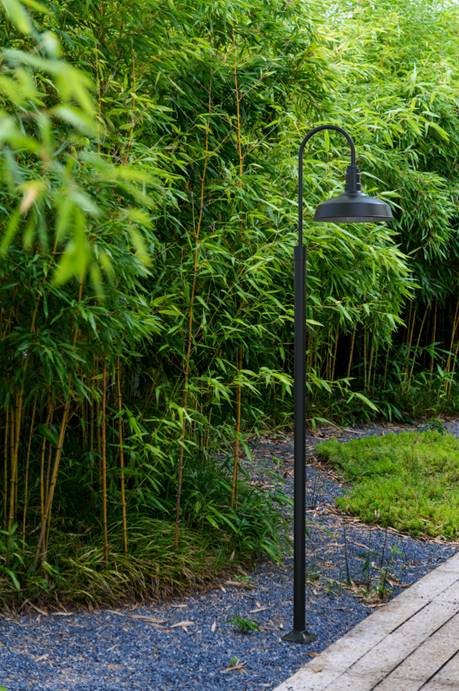
Powder coating is particularly important. Unlike regular paint, it creates a much thicker, more uniform protective layer. It bonds to the metal differently, making it harder for moisture to sneak underneath and start the rust process. If you’re looking at outdoor post lights, make sure they mention powder coating specifically. It’s not the same as a standard paint job.
Size and Placement Strategy
Here’s something people often overlook: bigger isn’t always better, but it can be smarter in winter. Larger fixtures like The Redondo (our 20″ dome) have more substantial construction that generally holds up better to harsh conditions. They’re built with thicker materials and more robust hardware because they need to support their own weight. When you’re dealing with heavy snow loads or ice buildup, that extra heft works in your favor.
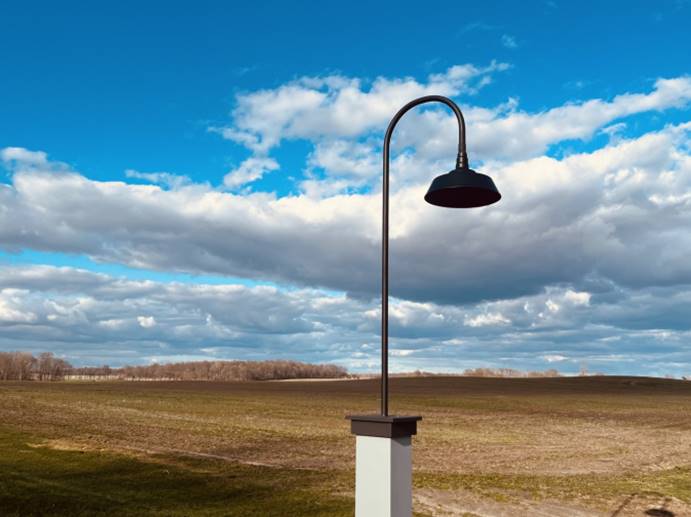
Consider where you’re installing these outdoor post lights, too. A fixture that’s somewhat protected under an eave or porch overhang will naturally fare better than one completely exposed to the elements. That doesn’t mean you can’t use lights in exposed areas. You just need to be more selective about what you choose.
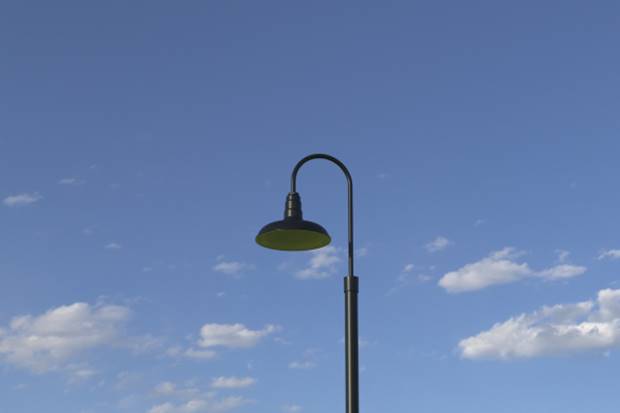
For posts along driveways or walkways, you want fixtures that sit high enough to avoid direct snow buildup but not so high that you’re constantly fighting ice accumulation. The Topanga, with its 14″ dome and vintage gas station style, hits that sweet spot for many installations. It’s sized right for typical post heights and brings enough presence without being overwhelming.
Check the Weather Ratings (Actually Read Them)
Every outdoor fixture should have a weather rating, typically labeled as “wet location” or “damp location.” For outdoor post lights facing winter weather, you absolutely need wet location-rated fixtures. This means they’re designed to handle direct exposure to rain, snow, and ice.
The Hardware Details Nobody Talks About
The screws, bolts, and mounting hardware might seem like small details, but they’re crucial for winter performance. Stainless steel hardware resists corrosion way better than regular steel. Some manufacturers cut costs here, and you end up with rusty bolts by spring.
Also check how the fixture attaches to the post. You want a secure, stable mounting system that won’t loosen when the post contracts and expands with temperature changes. Wobbling fixtures don’t just look bad; they’re dangerous. They create stress points where cracks can develop.
The Hollywood Bowl, our 15″ dome fixture, is a good example of how proper construction handles these challenges. Its robust mounting system keeps it stable even when installed on exposed walls or high among roof peaks where winter winds hit hardest.
Picking the Right Bulbs for Cold Weather
This is practical stuff that makes a real difference. Not all bulbs handle cold equally well. LEDs are generally your best bet for winter because they’re not affected by cold temperatures the way incandescent or even CFL bulbs can be. In fact, LEDs often work more efficiently in cold weather.
If you’re using traditional incandescent bulbs in your outdoor post lights, know that they can struggle to light up in extreme cold, and the filaments are more prone to breaking when temperatures swing wildly.
Signs of Quality to Look For
When you’re shopping, certain details separate the fixtures that’ll last from the ones that won’t. Look for:
- Heavy-gauge metal that doesn’t feel flimsy
- Thick, even powder coating without thin spots
- Well-sealed seams and joints
- Substantial mounting hardware included
- Clear wet location ratings
- Additional features such as compatibility with dusk to dawn sensors
Some of our crowd-pleasing designs for winter durability combine retro aesthetics with serious construction. The Highland Park brings vintage style with its 16″ dome that throws major retro vibes, but uses the same heavy-duty materials and finishes as more industrial-looking fixtures. It’s proof that you don’t have to sacrifice style for durability.
Making Your Decision
At the end of the day, choosing outdoor post lights for winter weather comes down to not cutting corners on materials and construction. You can find stylish fixtures that are also built tough. You don’t have to sacrifice one for the other.
Consider your specific situation. How exposed are your posts? How harsh are your winters? What’s your budget for something that’ll truly last? Answer these honestly, and you’ll know what level of quality you need.
The fixtures that make it through winter after winter aren’t magical. They’re just well-made from good materials and properly installed. Focus on those fundamentals, and your outdoor post lights will keep performing long after less thoughtful purchases have failed.