


 0
0
Your cart is currently empty!
 Chat
ChatIf you’ve ever fumbled with your keys in the dark or forgotten to turn on your porch light before leaving for the day, you already know why dusk to dawn outdoor lights are such a game-changer. These smart fixtures automatically turn on when the sun goes down and switch off when it rises again, so no timers, no apps, and no remembering are required.
But here’s the thing: not all dusk to dawn lights are created equal. Some flicker out after a few months, others cast weird shadows that make your yard look like a horror movie set, and a few just don’t fit the look you’re going for. So how do you pick ones that’ll realistically work for your home? Let’s walk through what matters most.
Understanding How Dusk to Dawn Outdoor Lights Actually Work
These fixtures use a photocell sensor (sometimes called a photoelectric sensor) that detects ambient light levels. When natural light drops below a certain threshold at sunset, the sensor triggers the light to turn on. Come sunrise, when light levels increase, it switches off automatically. It’s pretty straightforward technology, but the quality of that sensor makes all the difference between a light that works reliably for years and one that starts acting up within months.
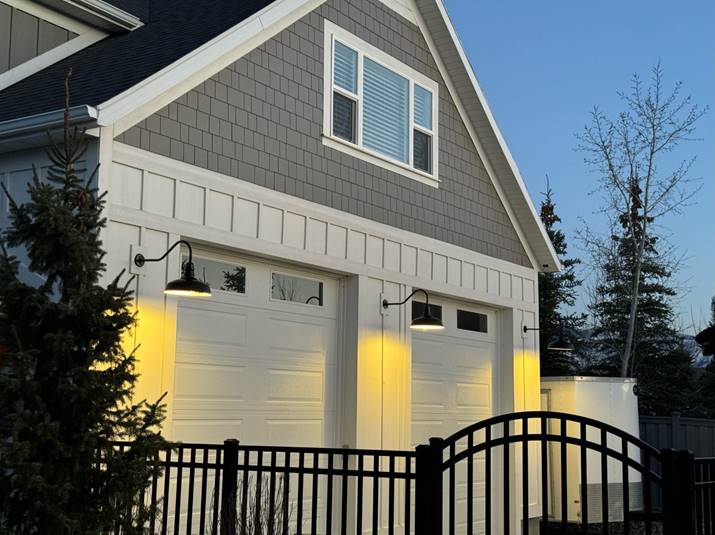
The sensor is typically built into the fixture itself or sometimes comes as a separate component you can add to compatible lights. Built-in sensors tend to be more weather-resistant and look cleaner, which is why most homeowners prefer them.
What to Look for When Shopping
Durability comes first. Your outdoor lights face rain, snow, UV rays, and temperature swings. I’ve seen too many friends buy cheap fixtures that rust out or crack within a year. Look for lights made from heavy-duty materials like powder-coated steel or aluminum. The powder coating protects the metal from moisture and corrosion, which translates to long-lasting outdoor lights.
Sensor quality matters more than you’d think. A reliable photocell sensor should respond consistently to light changes without false triggers. You don’t want your lights flickering on and off during overcast days or failing to activate at dusk. Read reviews specifically mentioning sensor performance. If multiple people complain about the sensor, that’s your red flag. You can tell that our 20” dome Redondo light below enjoys good sensor quality.
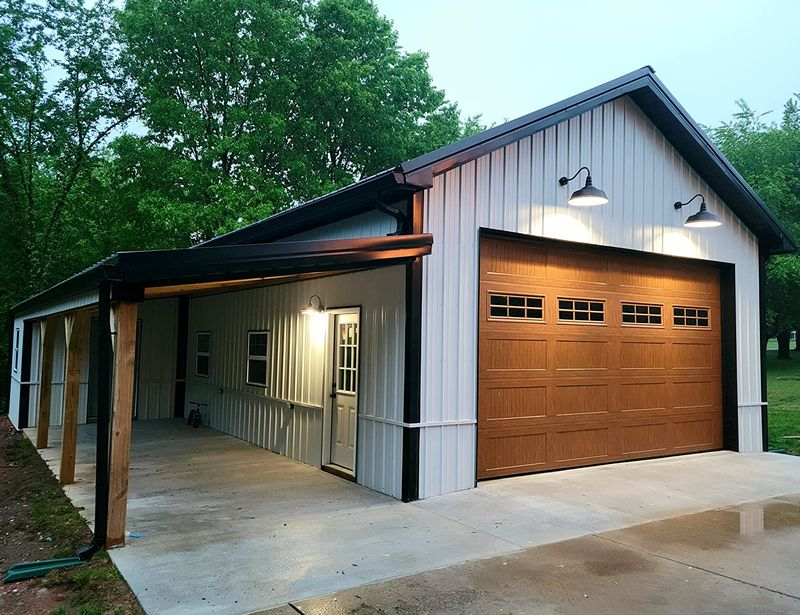
Consider the light output you need. A 60-watt equivalent LED might be perfect for a walkway, but you’ll want something brighter for illuminating your driveway or the side of a barn. Consider what you’re lighting and how much coverage you require. Bigger doesn’t always mean better; sometimes multiple smaller fixtures work better than one massive light that creates harsh shadows.
Style should match your home’s personality. Dusk to dawn outdoor lights come in everything from sleek modern designs to classic barn-style fixtures. The right style depends on your home’s architecture and your personal taste. A farmhouse-style barn light might look perfect on a cottage but feel out of place on a contemporary home, and vice versa.
Placement Strategies That Make Sense
Where you install your dusk to dawn outdoor lights is just as important as which ones you buy. Here’s what works in real-world situations:
Entry points are obvious but essential. Your front door, back door, and garage entries should all have reliable lighting. Motion-activated lights are great, but dusk to dawn fixtures provide consistent illumination that discourages anyone with bad intentions.
Don’t forget about pathways and driveways. If you have a long driveway or walkway from the street to your door, lighting that path makes a significant difference. You can use smaller fixtures spaced along the route. Our team members swear by using multiple matching fixtures to create a cohesive look while providing even lighting coverage.
Highlight architectural features. Got a beautiful gable end, an interesting roofline, or a brick facade you want to show off? Positioning lights to graze these features adds depth and character to your home’s exterior after dark. Barn-style lights with gooseneck arms work really well for this because you can angle them just right.
Prioritize your outdoor living areas. If you have a patio, deck, or porch where you spend time in the evenings, dusk to dawn lights can set the mood while keeping things functional. Overhead lighting from wall-mounted fixtures works well here, especially when paired with your existing patio furniture and decor.
Making Your Selection
When I’m helping someone pick out dusk to dawn outdoor lights, I usually point them toward a few proven options that hit the sweet spot of quality, style, and reliability.
The Gardena is genuinely our most popular choice, and for good reason. This barn-style fixture comes with a 16″ dome and gives you options for different arm lengths—whether you want an 11″ gooseneck, a 23″ gooseneck, or even a straight arm. It’s handmade from heavy-duty steel with powder coating that holds up to weather year after year. Despite what people think, it’s not just for farmhouses. we’ve seen it look incredible on modern homes, craftsman-style houses, and everything in between.
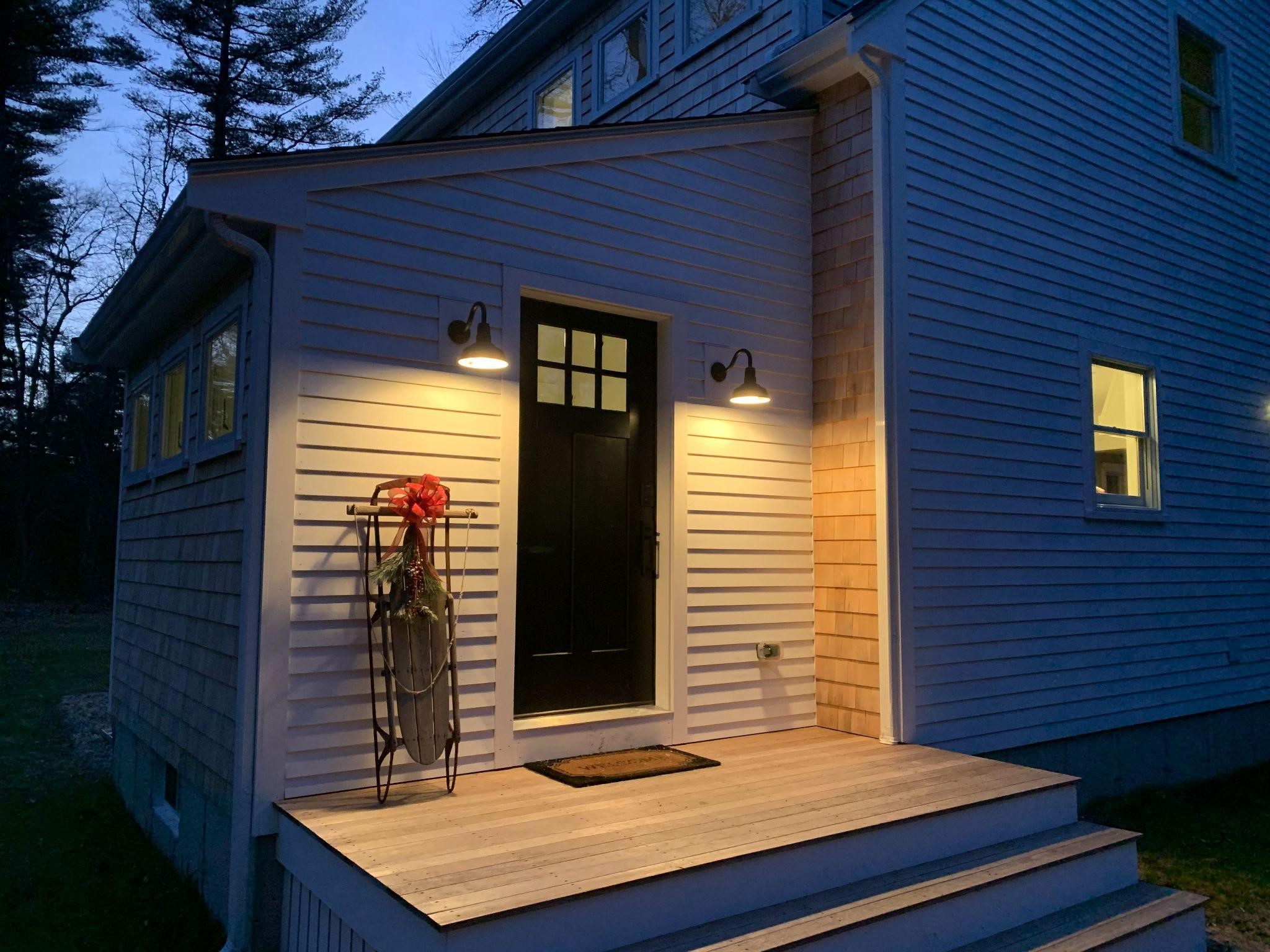
If you’re working with smaller walls or want to frame a doorway, The Hawthorne might be more your speed. This compact fixture has an 8″ dome but still packs plenty of light. A personal favorite design style is using multiples of these to flank garage doors or create symmetry around your front entrance.
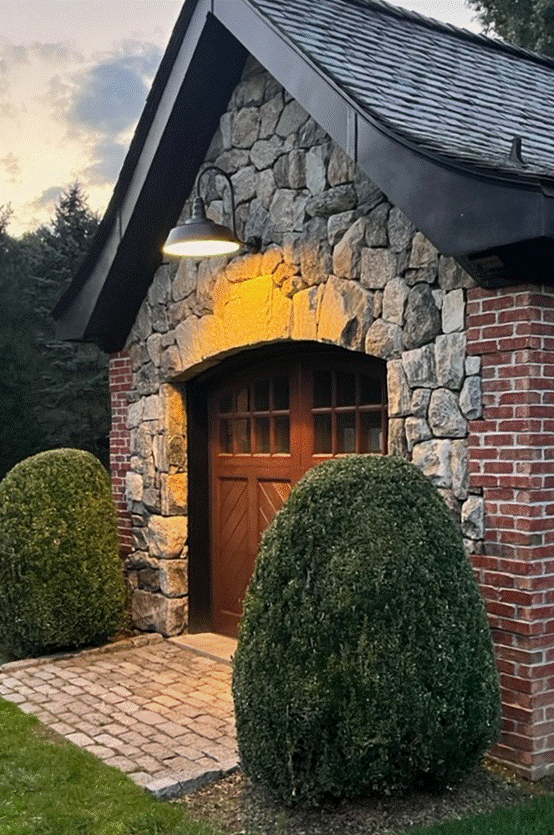
For larger applications like the side of a barn, a big garage wall, or high up under your roofline, the Highland Park is worth considering. It has that retro vibe people love.
Installation Tips From Someone Who’s Been There
Unless you’re comfortable working with electrical wiring, hire a licensed electrician for installation. Yes, it costs money upfront, but it’s worth it for safety and to ensure everything’s wired correctly. A professional can also help you position fixtures for optimal sensor performance.
Make sure the photocell sensor isn’t blocked by eaves, tree branches, or other obstructions. It needs a clear view of the sky to work properly. Also, avoid placing sensors where they’ll be hit by light from windows or other fixtures, which can confuse them.
The Bottom Line
Choosing reliable dusk to dawn outdoor lights doesn’t have to be complicated. Focus on quality construction, dependable sensors, appropriate light output for your needs, and a style that fits your home. Think through where you actually need lighting, and don’t be afraid to mix fixture sizes and placements to get full coverage.
The right outdoor lighting setup makes your home safer, more welcoming, and honestly just nicer to come home to at night. When you find fixtures built to last and install them thoughtfully, you’re setting yourself up for years of hassle-free illumination. No more fumbling in the dark, no more remembering to flip switches, just reliable light exactly when and where you need it!