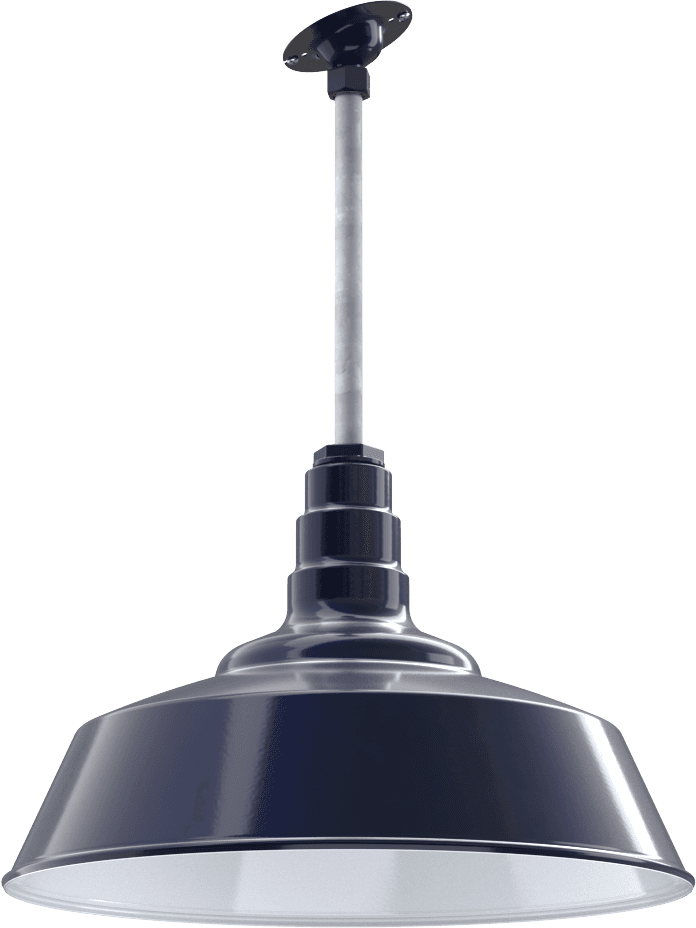

Two-thirds of unkempt spaces come down to lighting. The furniture and paint are right, but something’s wrong with the light: it’s too bright, too gloomy, or in the wrong place. Great lighting solves that, and it doesn’t require a renovation.
.Different rooms need different amounts of light, so let’s go through your house room by room. First, a quick tip: check the color temperature printed on the bulb box. About 2700K gives you nice warm, soft light, while around 4000K can feel a bit more like an office.
Bedroom
Bedroom lighting starts with a dimmer. My one firm rule is dimmer switches, and they’re surprisingly affordable. It is bright enough at 7 a.m. when you are hunting for socks and low at night when you are trying to fall asleep.

If the ceiling is high, go wide and tall overhead. A flush mount in a vaulted bedroom, for example, can be lost in space. Take the Manhattan, for example. It has a 20-inch dome that fills a 15-foot-or-taller ceiling. In a normal-sized bedroom, you’d be ducking. In the right one, it’s stunning. Bedside lamps continue to have a role, because reading beneath a giant overhead fixture quickly loses its appeal. You can also throw in a wall sconce by your bedside.

Dining Room
Quality house lighting in a dining room is a fixture you can see from the door. Many people mistakenly choose something too small here. Position the bottom of your pendant over your table such that no one will be glaring at a bulb on the other side.

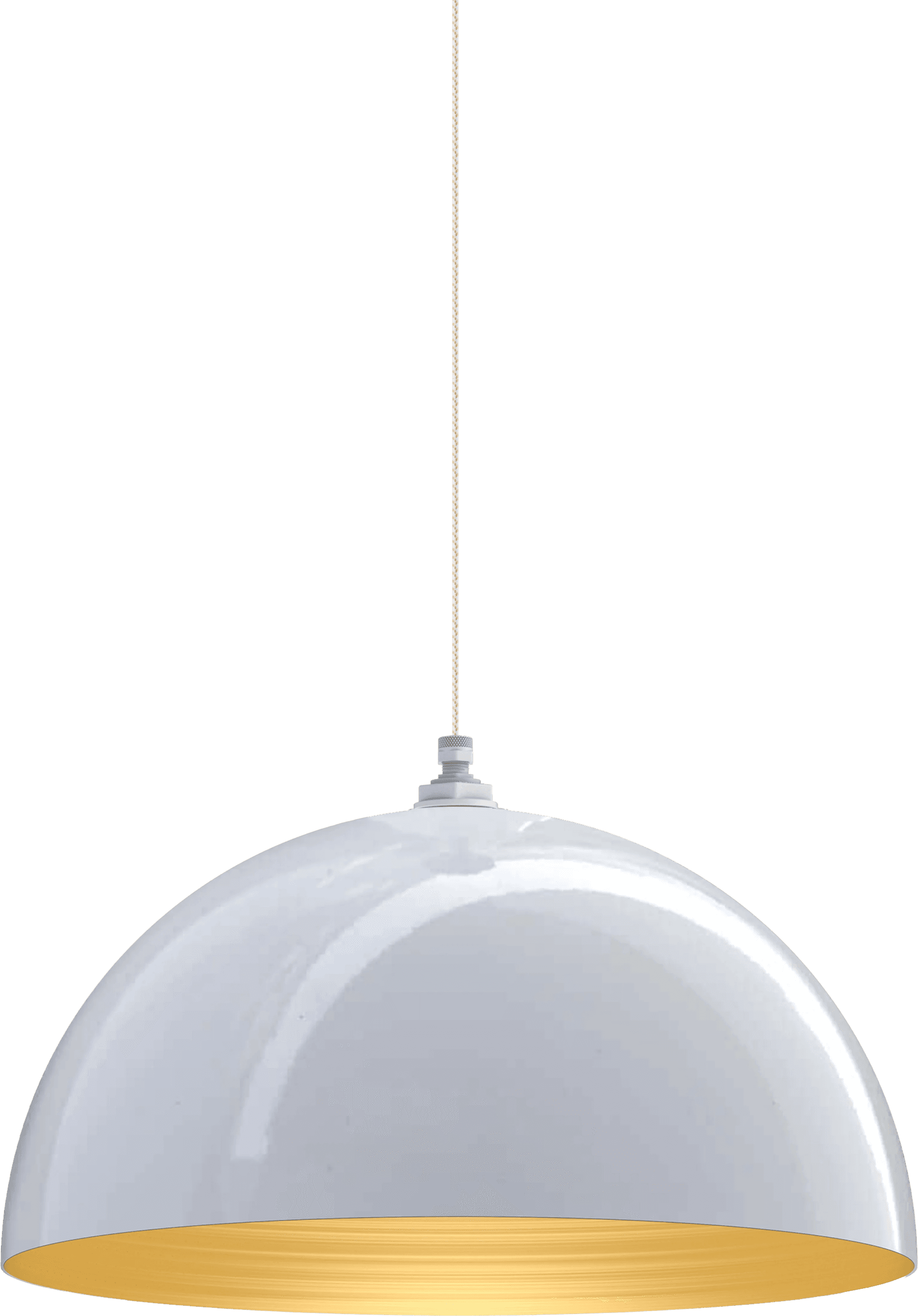
How big is too big? The Westwood is a 24-inch dome, which is big. It works over a long table with a high ceiling. But it’s ridiculous over a small one. In dining rooms, size counts more than style. Consider a dimmer here as well, because dinner with friends and helping a kid with homework demand different light levels.
Hallway
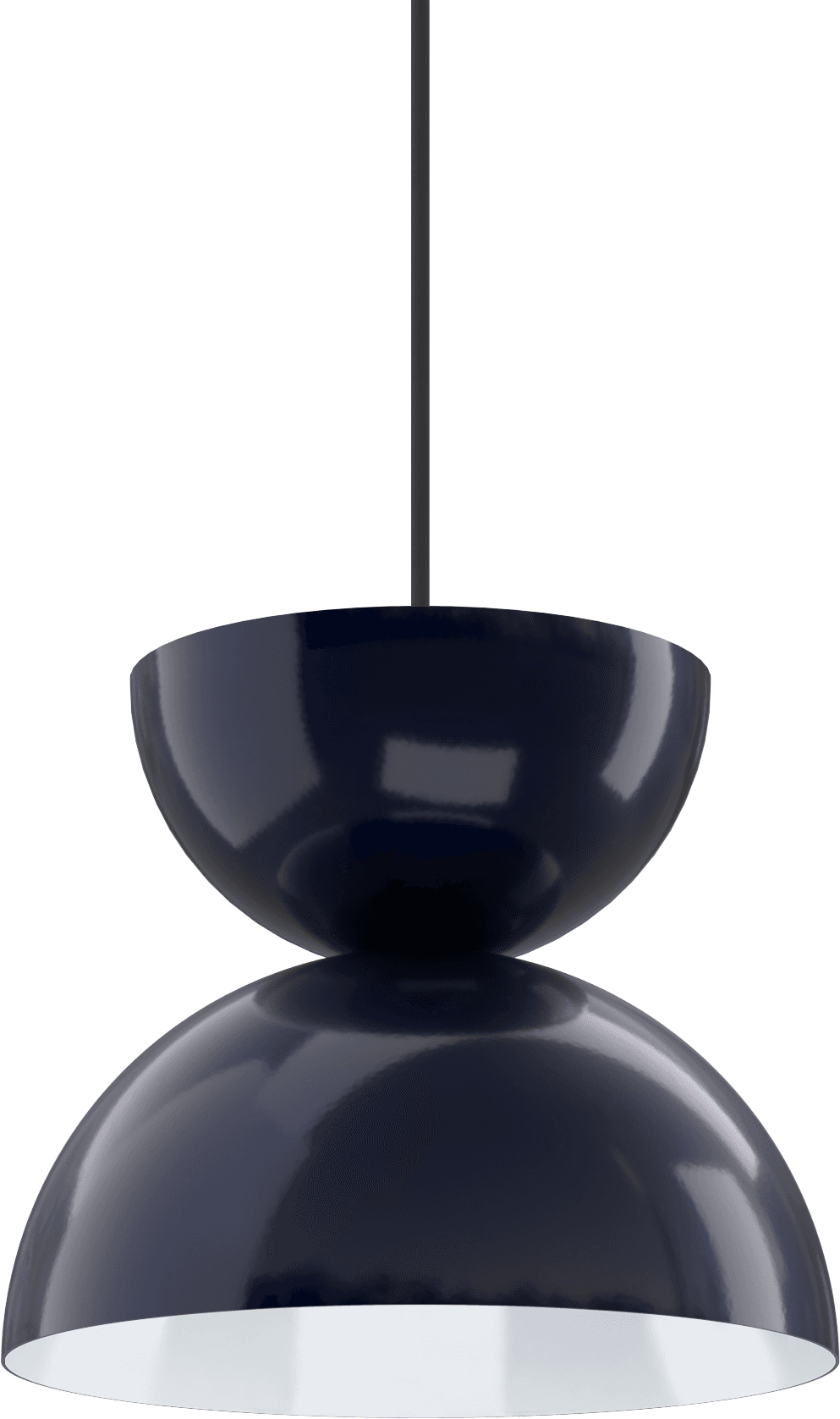
Hallways often get neglected. A bare bulb, a beige wall and that’s all the consideration it gets. To be frank, we need more form in the hallway, please! The Sunset offers form and more. It stacks a 10-inch and a 14-inch dome into one piece, and the lower bowl projects a warm pool of light below.

Keep the bottom of anything you hang at least seven feet off the floor. You never know when a tall friend may be passing through. Also, you’ll hate it if the bottom is at eye level for someone of average height. Go easy on brightness as well. Well-lit hallways give a house its true homey feel. If your hall is long, add additional fixtures so there aren’t any dark spots in the middle.
Bathroom
Ceiling light alone is rough in a bathroom. It creates shadows under the eyes and nose, which isn’t convenient when shaving or doing makeup. The mirror decides everything in bathroom house lighting. The best light source is to the sides of the mirror, at face level. If you only have space for a single light, place it directly above the mirror and it should be wide enough.

The Lennox does the job with two 10-inch domes. Whatever you choose, keep it narrower than the mirror, or it will look like it’s crowding the wall. Also, if you do makeup, choose bulbs with a CRI of 90 or more. Colors show up closer to how they look outside.
Kitchen
Kitchens, I think, are the most challenging rooms for house lighting. I mean, you are doing a lot in there, from chopping vegetables to reading recipes to keeping an eye on the stove. You need bright light where the work happens, and that’s usually the counter. Your head blocks the ceiling light, so under-cabinet strips might come in handy.

Then there’s the island. Pendants usually hang per the dome size or style preference. There is no one size fits all measurement for this. With standard 10-foot ceilings, a 14-inch dome like the Brentwood fits well without crowding anyone’s forehead. One or two is plenty for most islands. Add a dimmer here too that is bright for cooking, and low when the dishes are done and people are just hanging around the counter.
Laundry Room
The laundry room is hardly anyone’s favorite room in the house, so it’s often the last to get good lighting. But it’s also where you discover your red sock is in with the whites, so you want solid lighting. I’d use a cooler, brighter bulb about 4000K to see stains before they set.

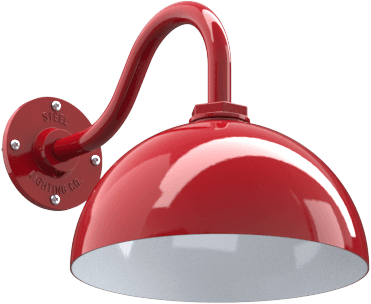
Fixture-wise, this is a good place to have some fun, since it’s usually the plainest room in the house. The Malibu is a 14-inch pendant with a vintage gas station look that works well in a laundry room. It makes a chore room feel a little less like one. There’s also the Gardena, a wall sconce that delivers practicality and style to this room.
Living Room
The best way to light a living room is in layers. Don’t rely on a single overhead light. Use fixtures at various heights, something overhead and a wall sconce that draws the eye. Designers call it layering. I just call it not depending on the ceiling. Warm bulbs help here, since this is where most people unwind at night.

The Eagle Rock is my recommendation for a ceiling light in a living room. It features a fluted 16-inch dome, and honestly, it’s a little funky. You might say it’s a little unusual. But unusual is what makes a difference. It’s also great in an entryway or porch overhang when you want something people will remember.
Wrapping Up
Good house lighting takes a lot of small decisions, and none of them is hard on their own. If I were to single out one easy fix, it’s dimmers. Install a bunch. Take a peek at your ceiling height before you buy that stunning flush-mount, and try to standardise the bulb color temperature throughout your house so your rooms don’t clash.
You’ll notice the difference right away. Superior-quality house lighting makes rooms you never liked start to feel better, and you can’t quite say what changed.