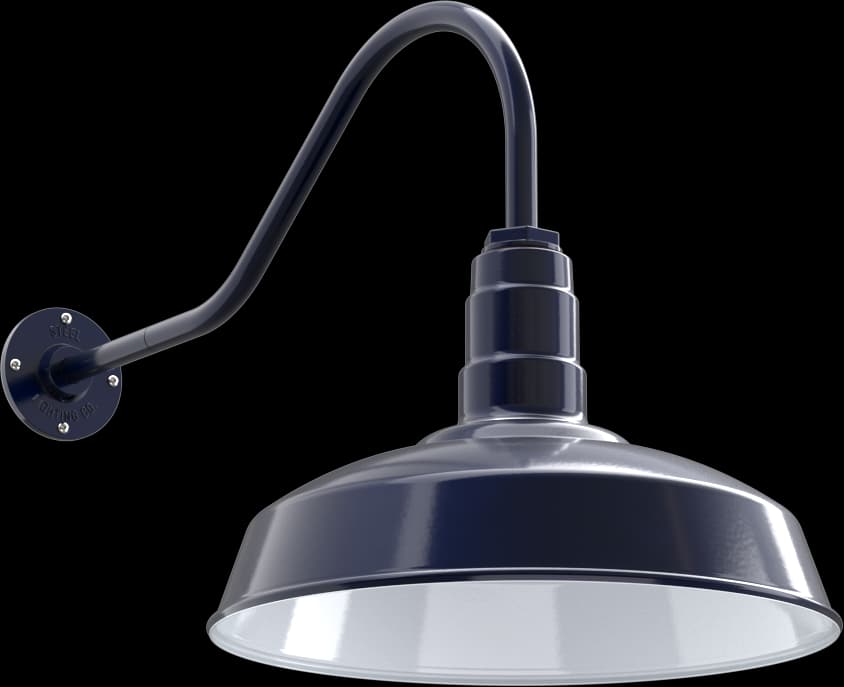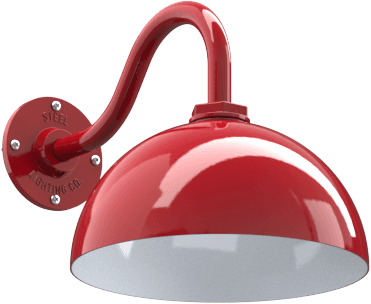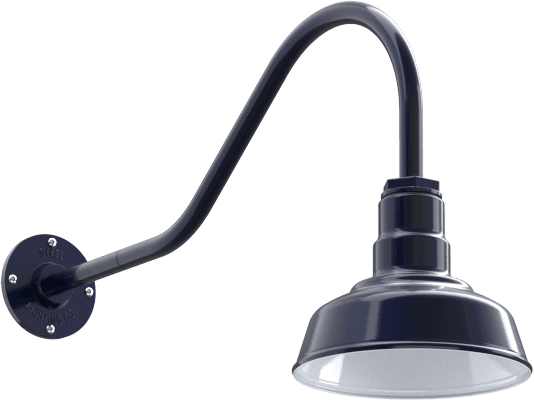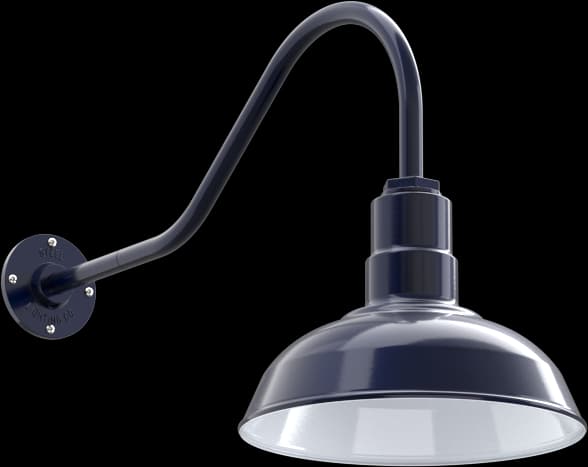

A ceiling light serves as a room’s main lighting source in most cases. It provides a balanced amount of light that is spread throughout the room, making it great for general tasks. However, there are some points in the home where a sconce light fixture adds something a ceiling fixture cannot.
Because they are at eye level, or just below, they provide illumination that is more flattering to the face or falls more favorably on work surfaces. I must mention that this is not meant to be an argument for sconce light fixtures being superior to ceiling ones, as most properly lit spaces often use both types.
A sconce light fixture is not an accent piece tacked onto the end of a more important light. It bears responsibility for its own share of the room’s illumination in many cases.
Laundry Rooms Need More Than One Light Source
Most laundry rooms I have seen get a single ceiling fixture and nothing else. That’s fine for general visibility, but it falls short the moment you’re doing anything close to the floor, like checking a stain or fishing a sock out from behind the dryer.
A sconce light fixture mounted at working height fixes this without tearing into a wall for new wiring. Something like the Gardena, with its gooseneck design, works well here. You can angle the light exactly where you need it, instead of depending on a ceiling light to provide sufficient coverage.

It helps to think through what actually happens in a laundry room before deciding on lighting. Don’t just assume that one fixture can cover every task. The area where clothes are folded and inspected is as important as the washing section, if not more so. Hence, it should receive appropriate consideration when it comes to lighting needs.
Bathroom Mirrors Deserve Their Own Light Source
Vanity bars are a popular choice for bathroom lighting as they are cheap and easy to install. To be fair, they provide generally adequate lighting for the mirror. But a single light source mounted at the center of the bar often washes the face in flat light that erases important details. Sconces mounted on either side of the mirror solve this by lighting the face from two directions instead of one. This setting softens the harsh shadows under the eyes and along the jaw that a single overhead source usually creates. You can take a cue from the Bel Air light pictured below.

In a smaller bathroom, a bulkier sconce can eat up visual space you don’t have to spare. Something more compact like the Hawthorne, provides the same even lighting without making the vanity feel cramped.
Porches Benefit From a Fixture With Character
Porch lighting usually comes down to one fixture above or beside the front door. And that’s often as far as anyone thinks about it. A wall-mounted sconce light fixture on the wall itself adds character and directs light down onto the steps where you actually need it. On the flip side, overhead fixtures often place the light source too far above the steps to be effective. So a lower wall-mounted option may be preferable.eferable.

For exterior fixtures, something with a bit of weathered character tends to look right even when it was just installed last week. It doesn’t matter if it was installed recently. Similarly, a rustic barn light such as the Topanga can provide much-needed lighting without appearing overly modern. What matters most is that whatever you choose lights the steps clearly and, ideally, catches a welcome mat if there’s one down.
Highlighting Art and Signage With Directional Light
Track lighting is often recommended as the best way to illuminate wall art. And it is hard to argue with the practicality of that suggestion. For single pieces, however, an angled sconce light fixture can serve a similar purpose to a track system without adding extra infrastructure to the room.
A directional fixture like the Venice throws focused light exactly where you point it, whether that’s a piece of art or a sign you want people to notice. Anything worth displaying is worth giving its own light source instead of letting it blend into the room’s general lighting.

Kitchen Open Shelving Needs Its Own Light Source
Open shelves look great in photos and terrible in person if nobody thought about lighting them. Even in a well-lit kitchen, shelves tend to sit in their own patch of shadow. Under-cabinet lighting can help remedy the shadow problem. But it is often insufficient for larger shelves or when the cabinetry itself is not present.

Mid-sized sconce light fixtures can serve as excellent replacements for under-shelving lighting. This is all thanks to the fixture’s ability to put out enough light to effectively illuminate the shelves’ contents without crowding them.
The Westchester is one such fixture that can be installed near open shelves. It does not protrude far from the wall and would not impede nearby activities, such as reaching for plates on the shelves. While lighting for kitchen shelves is often overlooked, its importance is no less than that of other areas of the home when it comes to making a space look as nice in person as it does in pictures.
Layering Light Instead of Picking One Fixture
The intent of this blog was not to suggest that a sconce light fixture should replace a ceiling light. It’s an argument for using both, because they do different jobs. A room lit only one way is always going to feel less functional than one where the light is layered. Sconce light fixtures cut down on shadows across the face, throw light in a specific direction rather than everywhere at once, and let you place illumination exactly where a ceiling fixture can’t reach.
The next time you are planning a lighting layout, consider what else you may need beyond the standard ceiling light typically specified. And ask whether any of the above-mentioned recommendations might apply. In the meantime, we hope this helps. And as always, we are happy to shed more light on any gray areas!