
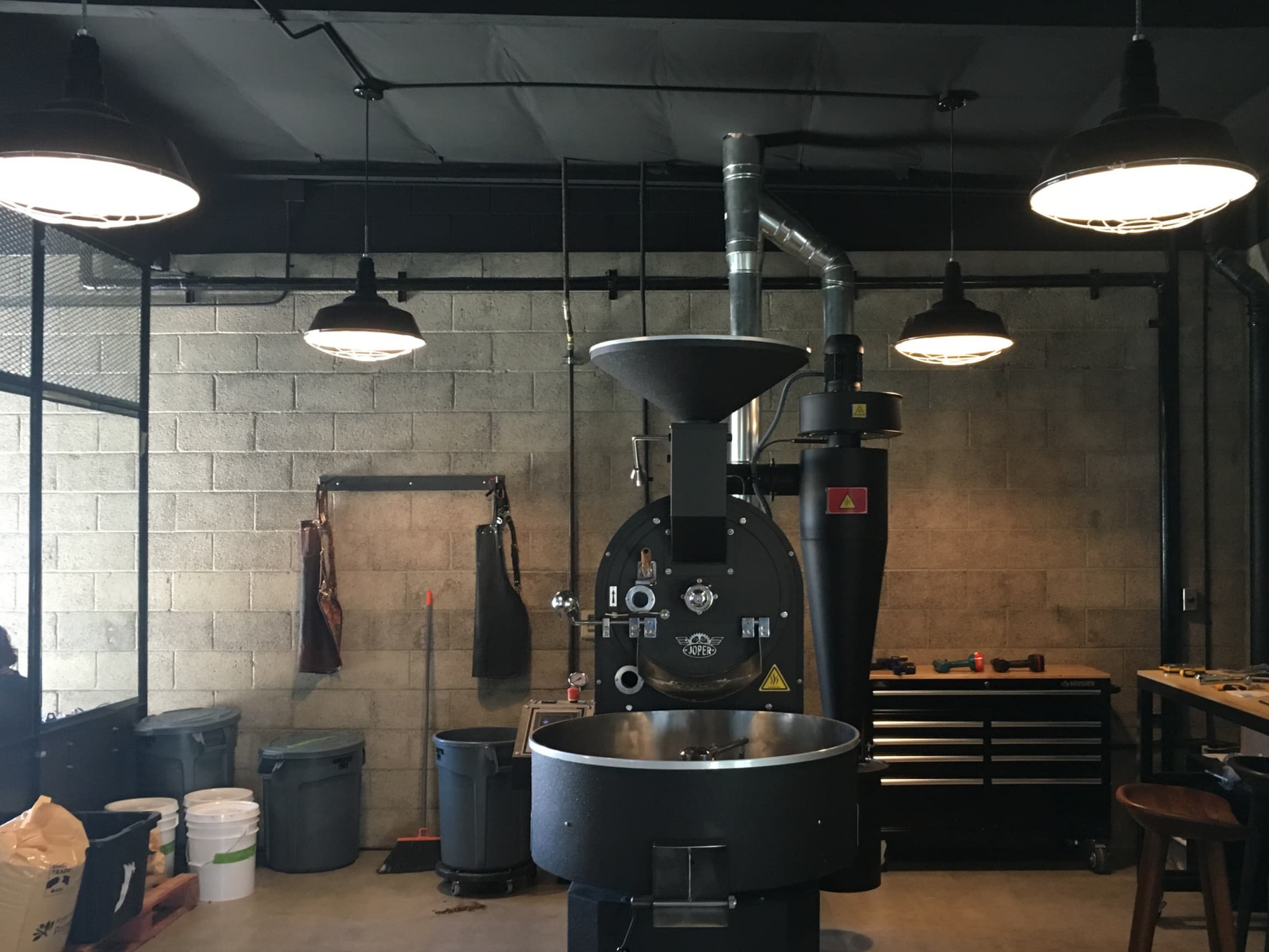
I didn’t pay much attention to lights at all until I realized how easily they can be misused. One will walk into a beautifully remodeled kitchen that feels slightly off and, more often than not, it’s the light fixture. It is either trying too hard or it’s utterly forgotten. Getting your lighting right is that tricky thing that looks effortless until it isn’t.
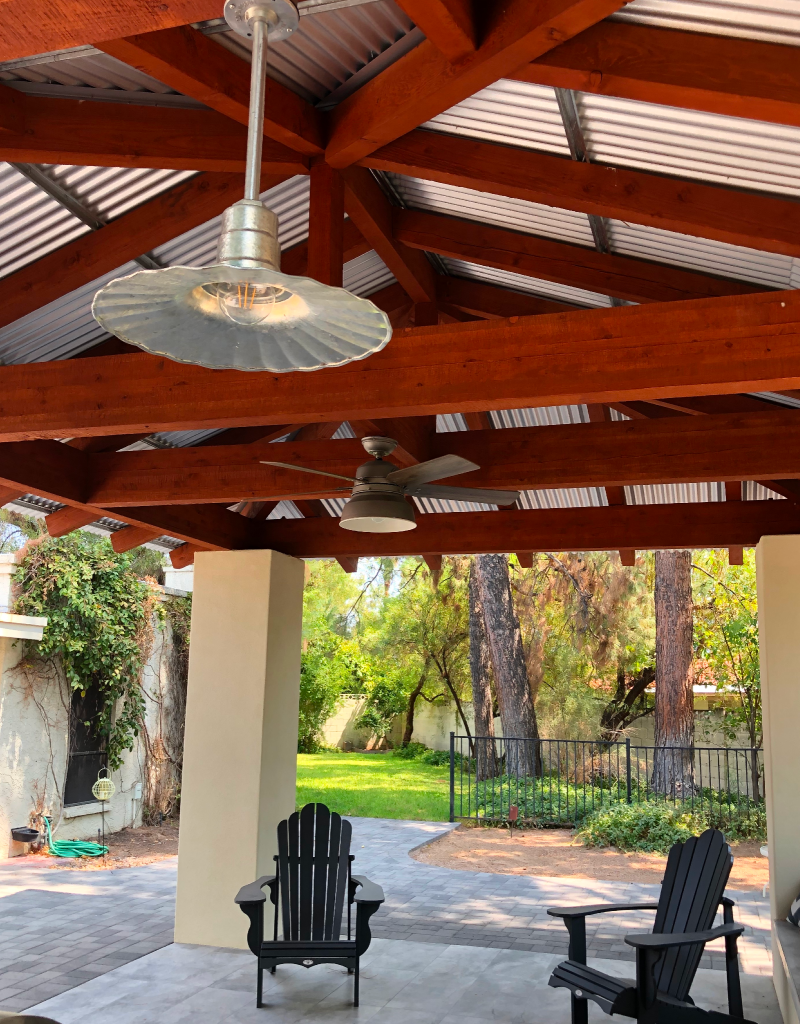
Mid-century light fixtures have become my go-to. That’s because they’re the rare fixtures that solve problems most people don’t know they have. They are not the main event in any room, but neither are they invisible. Whether you are in a 1950’s ranch with original plaster walls or in a brand new build with everything pristine, mid-century light fixtures somehow seem perfectly appropriate for every and any room.
The Shape Speaks Volumes
There is a reason mid-century light fixtures have outlasted ages. For the most part, the designs are special. Rounded bowls and domes are simple shapes that were not created solely for decorative purposes. Designers of this era were not trying to create trends or catch eyes, but to solve a problem. With all that functionality built into every point, it is understandable why a fixture created with that mindset can remain chic eight decades later.
The materials they are made of are also incredibly important to the style. For the most part, steel and aluminum do not apologize for what they are. They have an aged elegance and are not part of a fleeting style that will be out of fashion in a few years. A mid-century pendant in a nice matte black or a soft, brushed-metal looks thoughtfully selected.
Scale More or Less Depending on Your Room
I think of scale as the thing most people get wrong when decorating a home. If a fixture is too small it will disappear. While one that is too large, if placed in the wrong location, can really crowd a room. When dealing with mid-century light fixtures, this issue becomes even more crucial.
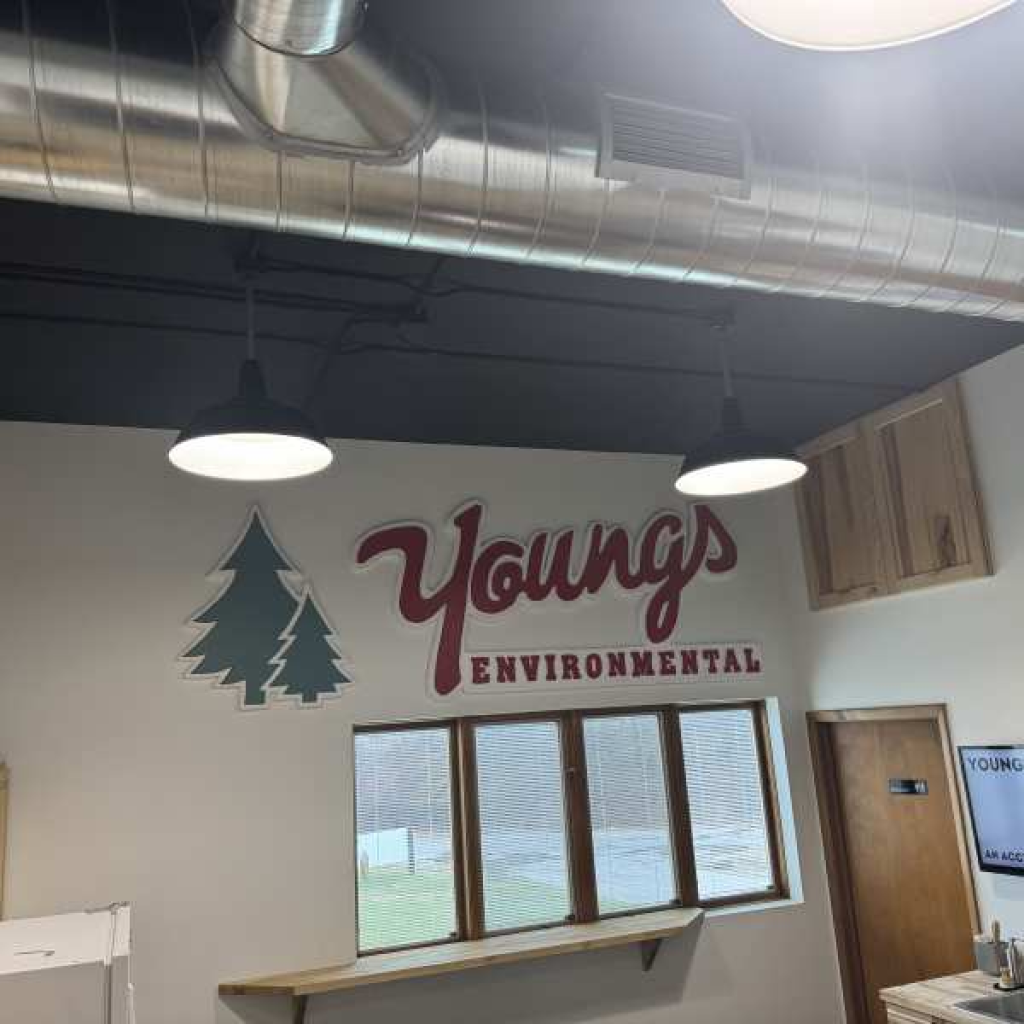
When dealing with extremely high ceiling heights (15 feet or more), scale plays a major role. A fixture such as the Manhattan (a 20-inch ceiling dome) is designed with a large space in mind. I love this fixture in large residential areas and also in commercial settings because it was originally made to hang from huge warehouse or vaulted ceilings, but in a small area, this fixture is overpowering and will not look appropriate.
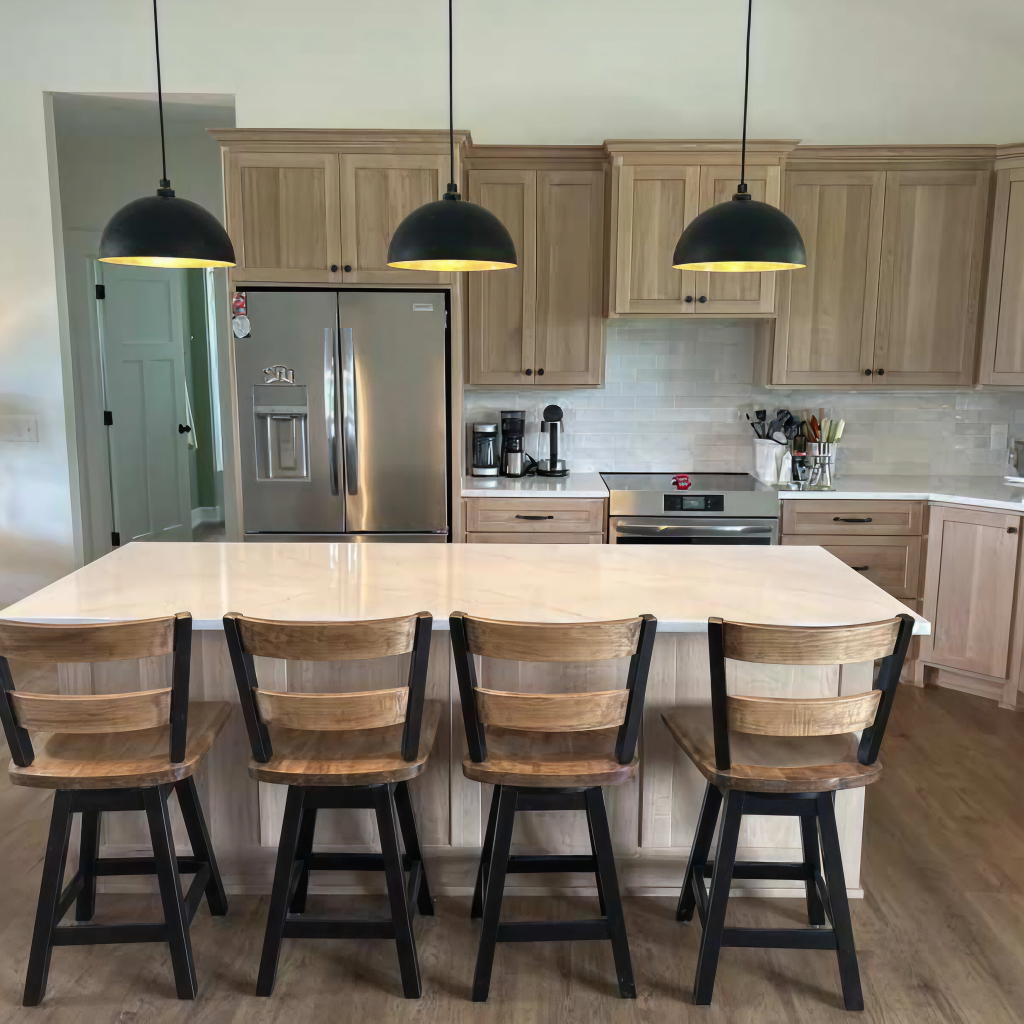
For most homes or standard rooms of an average size (ten foot ceilings) you will find that 14 inch domes will look proportional without overwhelming a space. The Brentwood is one fixture that will work perfectly above your kitchen island or dining table. People will notice how well the lighting works without exactly knowing why.
Older Houses Respond Well to The Style
It is no surprise that mid-century light fixtures appear in every renovation. The lights do not clash with the architecture. For houses built in the 1930’s and 40’s there is an abundance of decorative and historical detail that goes along with traditional designs, wood floors, plaster walls, original fixtures… Clean dome lights respect all of this, yet you don’t have to match the historical elements directly.
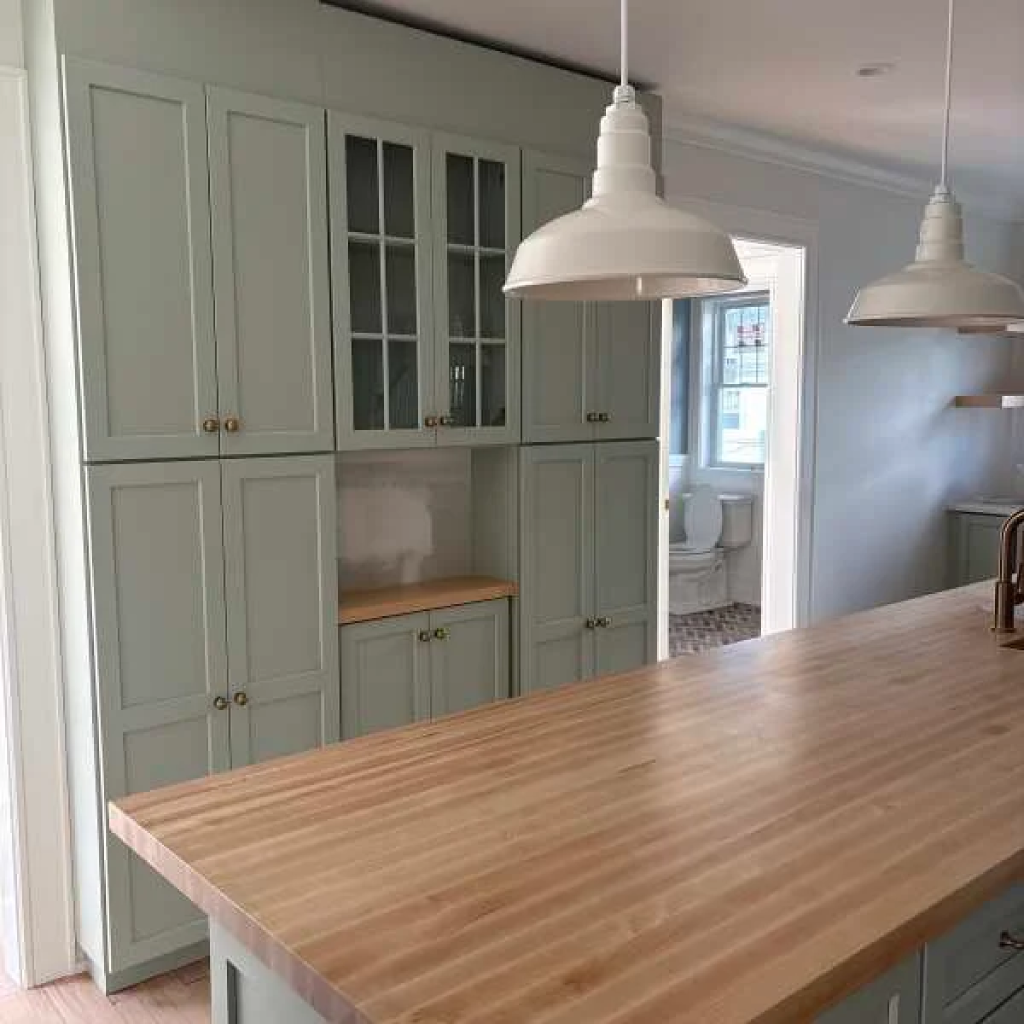
The El Segundo pendant light is an example of a mid-century light fixture that you can use anywhere within your older home. This fixture works especially well in older homes because they are elegant without being fragile, handling anything nature throws at them while maintaining an impeccable look. Lighting your older home with mid-century light fixtures doesn’t require major renovations; sometimes, changing a fixture can change the entire feeling of your home and take your renovation to the next level.
Newer Homes Have A Different Set of Challenges
In brand new builds, the lights usually have a much more uniform appearance. However, there still exists the challenge of adding character to what otherwise seems like a very clean and basic room. Builder-grade fixtures often work functionally but they seldom are exciting or attention-grabbing.
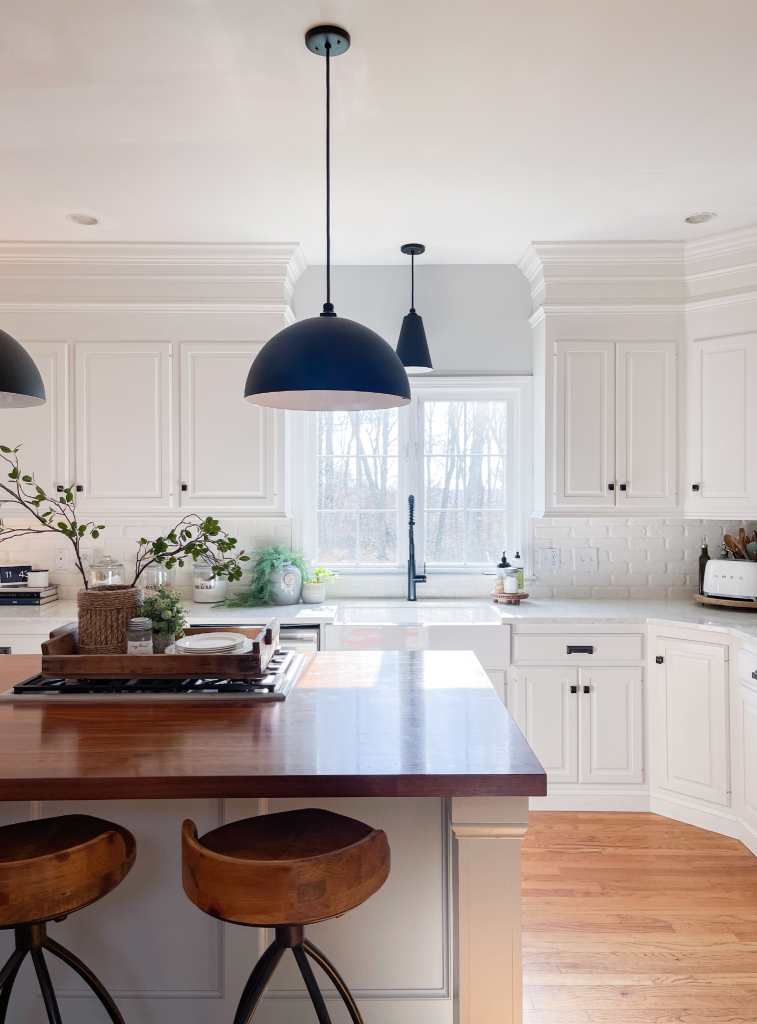
Mid-century light fixtures fit seamlessly into a modern new build due to the similar aesthetic of sleek lines, authentic materials, and lack of excessive adornment. I’ve found that the Melrose, an 18-inch rounded-dome pendant, has been used in many modern kitchens to break up the crisp, straight lines of a quartz countertop or clean cabinetry. It can also be used in restaurants for exactly the same reasons.
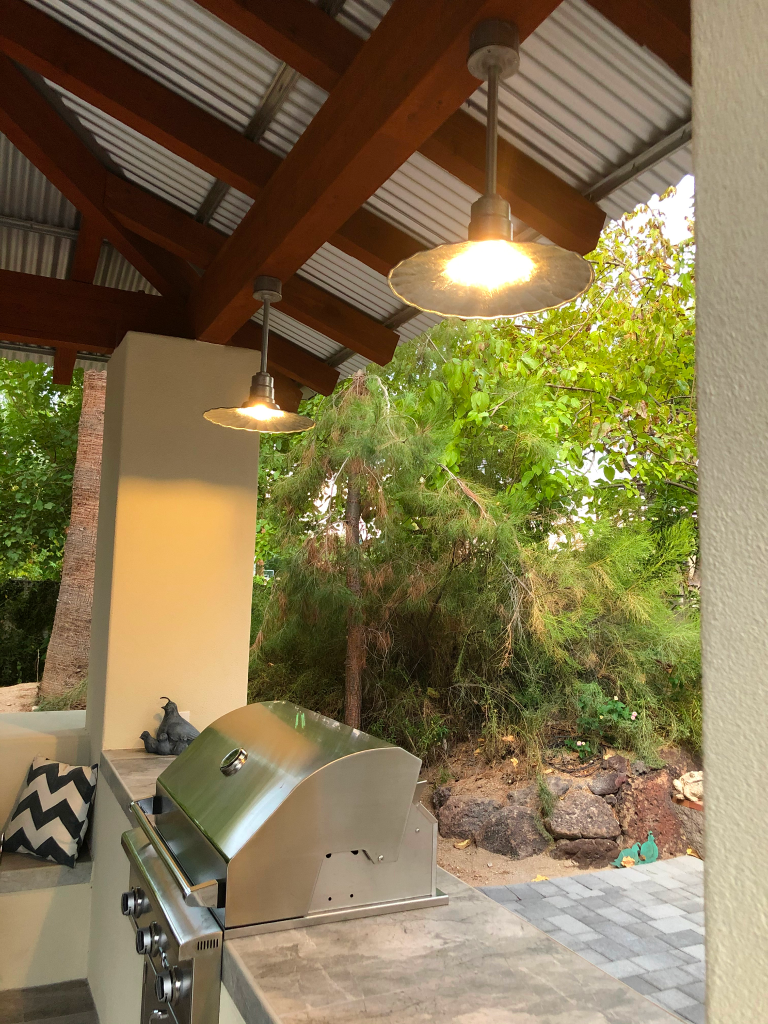
With entryway or outdoor covered areas in new builds, you have an opportunity to inject a little more fun and personality. The Eagle Rock, with a 16-inch fluted dome shape, differs slightly from the standard round dome style; it feels modern, almost avant-garde. This fixture is great if your home calls for something slightly outside the box without looking out of place.
Mixing Styles Without Creating Chaos
Mid-century light fixtures can work well with almost any type of decor. You will find they work well with modern and Scandinavian designs, as well as in some traditional rooms. One thing mid-century lighting will not blend with: Fuss. If you are already working with ornamental details, various patterns, and tons of textures in your home, a smooth dome pendant light is sure to provide an amazing and welcoming break.
The only tip I have for working with lights in mixed-style rooms is to be consistent with finishes within that room. If everything else in the room is matte black, your lights should be matte black as well. Combining different metals will require a more practiced eye;mid-century fixtures are probably not the right fixtures for experimenting with different metals.
Invest for the Long-Term
Trends in home design fade fast. What’s on every mood board this year has a way of looking tired three years from now. And fixtures aren’t cheap or easy to swap out on a whim. That’s the case with mid-century light fixtures. You’re not buying for the moment. You’re buying something that was already proven before most of us were paying attention to interior design at all.
The houses that give me the greatest satisfaction are not those attempting to capture the moment. They are those where someone did something they believed in that worked. A mid-century pendant of the correct proportions, hung at the correct height, in a finish that relates to the rest of the room’s finishes, is the best thing since sliced bread.
Mid-century light fixtures have been in the conversation for decades now. And it goes without saying, that they are anything but a trend!