A bedroom light has two jobs that pull against each other. It has to be bright enough to find a missing sock. It also has to be gentle enough that sleep comes easily an hour later. Most recommendations for light fixtures for bedroom overlook that tug and only discuss style. I think that’s the wrong way to go.
So this is the list that I check off before I hit “place my order”:
The Bulb Comes First
I always start with color temperature. There’s a Kelvin number assigned to bulbs. I lean toward 2700K in a bedroom. That’s like a warm white, sort of like a worn-in incandescent bulb. Anything showing 4000K or 5000K will read as a garage or an office to me.

Brightness can be confusing because bulbs are now measured in lumens and not watts. For a bedroom, a safe guideline is somewhere between 10 and 20 lumens per square foot. So a 12 by 12 foot room is about 1,440 to 2,880 total lumens. These figures are then distributed to each light source in the room, rather than concentrated into a single light fixture.
Next, I consider the bulb base. A standard medium-size base is my go-to mostly because they are affordable and easy to replace. Yes, most hardware stores sell them. Proprietary bulbs mean I search online every time, and that’s a pain.
Dimming Is Worth Sorting Out
Have you thought about how important dimming is in a bedroom? Can’t get any better. You’ll need two things to get them working well together: the wall switch and the bulb. Ensure you purchase a dimmable LED bulb; otherwise, it might flicker or buzz when used with an outdated dimmer switch meant for incandescent bulbs.

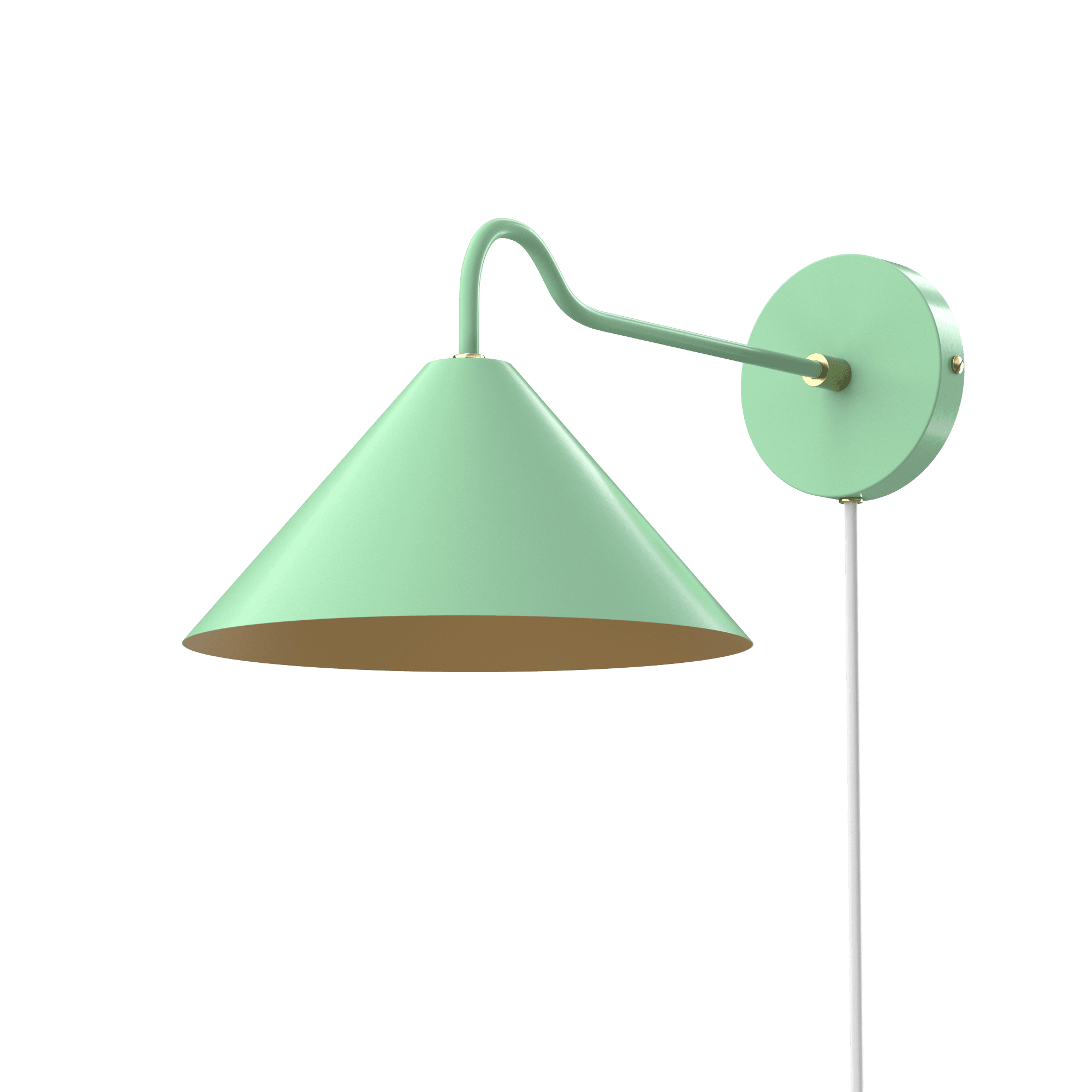
Need something straightforward? Small wall lights can help. For example, a small barn dome such as the La Brea is about 8 inches wide and is unobtrusive on your wall. With a warm, dimmable bulb, you’ll get the glow you want without feeling like you have a spotlight shining in your face.
The Light Source
A bedroom’s single ceiling light has the same effect on a room as the single pendant in a waiting room. It will give even lighting across the room, but it won’t create warmth or a welcoming atmosphere. If you have good lighting options in the room, then you have layers of lighting you can turn on. From hanging or wall-mounted ambient light to reading and task lights.

Wall sconces are especially helpful in this setting as they can clear the nightstand of clutter and save space. They also direct the light exactly where it’s required for reading.
Something like the Bel Air is an ideal choice. It offers a clean and simple form that looks great in the brass inlay option. This option can add warmth to the bedroom’s walls and bedding.
Reading lights need to be given some thought as well. Light beams that illuminate the page without reflecting onto a partner’s face can make for a more sleep-friendly room.
Hardwired or Plug-In
A hardwired sconce connects straight into your home’s wiring. That usually means a junction box in the wall. Unless one already sits in the right place, an electrician often gets involved.
Plug-in versions skip all of that. For renters, or anyone who doesn’t want to open a wall, a cord makes a huge difference.

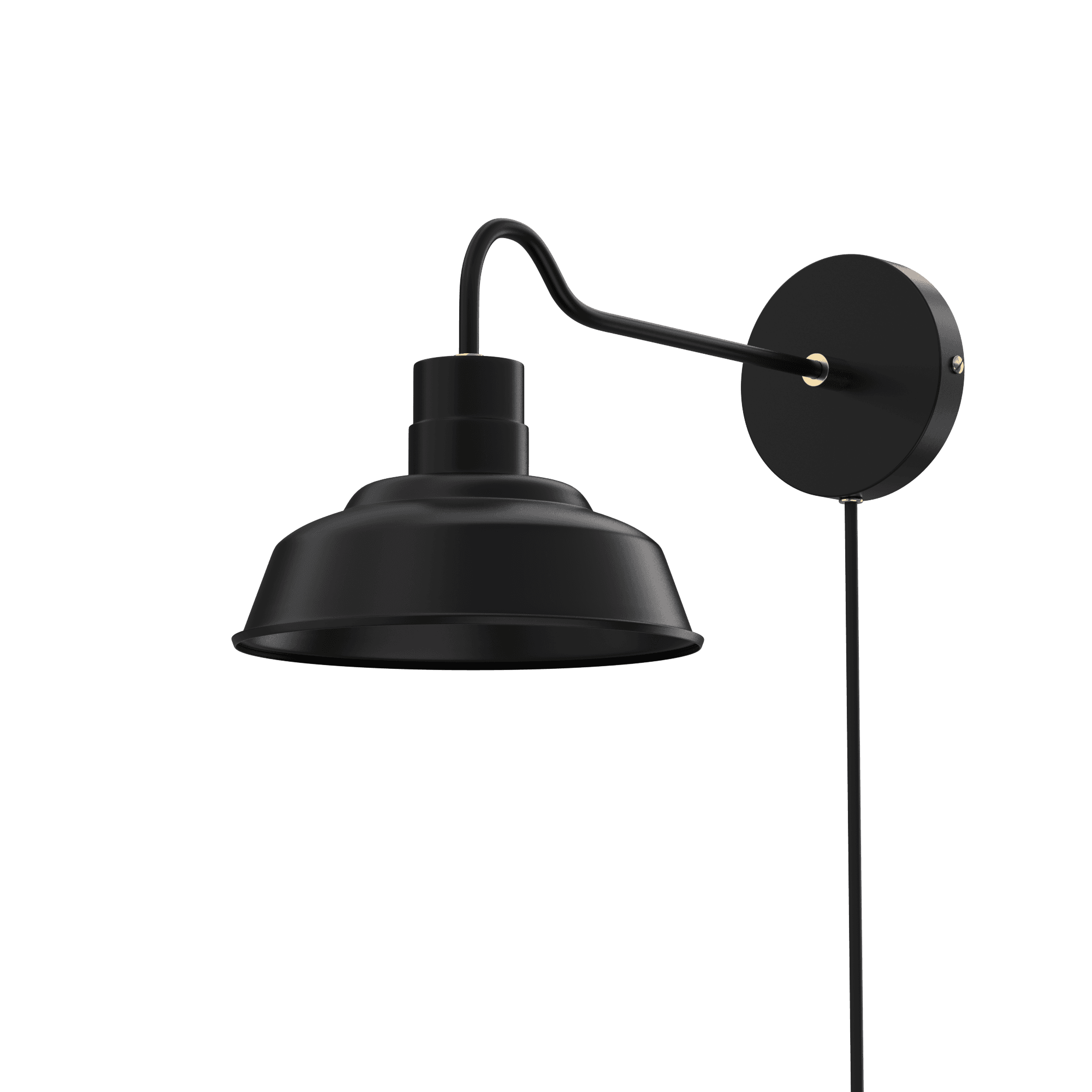
Our mini fixtures now come in plug-in versions. The Getty, a small 10-inch dome sconce, makes a perfect bedside light. You can unplug it and relocate when the bed moves.
Glare Is the Detail Nobody Notices
Sitting up in bed with a naked bulb is uncomfortable as it’s near eye level. Opaque domes or frosted bulbs remedy most of that.

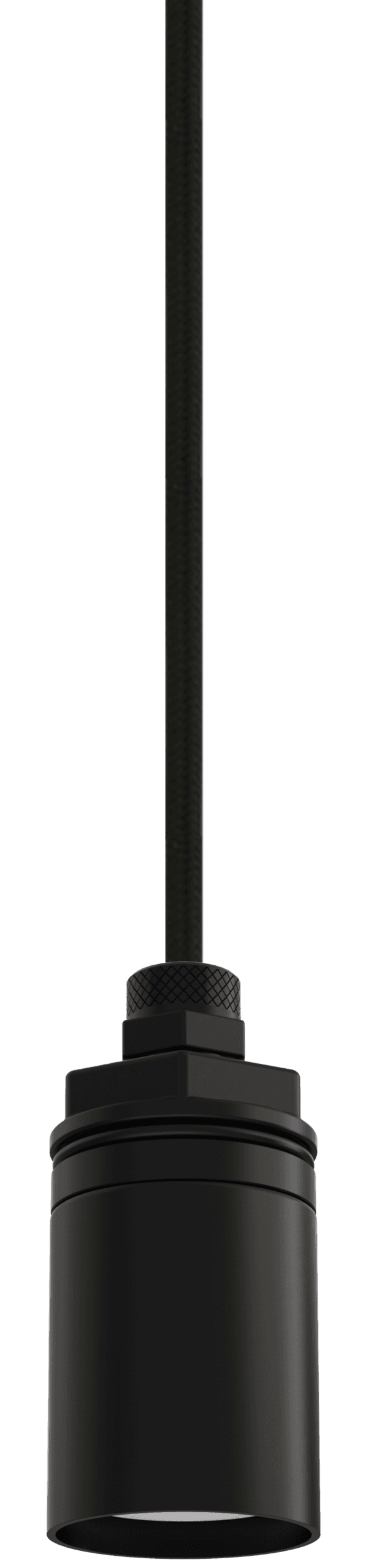
A pendant as stripped down as the Reseda has a socket and a cord but no dome. That leaves the bulb doing all the work, so a soft frosted bulb becomes even more important. It is well adapted for a nursery for this reason. The fact is, a nursery needs gentle light the most.
Symmetry on Both Sides of the Bed
I love light in pairs. Two matching lights, one on each side of the headboard, make a bed look finished. This way, each person gets their own reading light, and the nightstands hold on to their surfaces. We’d usually recommend a pair of Hawthorne lights on either side of the bed is a great example.

Here’s the thing: you and your partner can flick a different switch or plug to regulate your light. Wouldn’t it be so lovely to have one side dimmed while the other bright enough for reading?
Scale and Ceiling Height
Most light fixtures for bedrooms look wrong because they’re sized for the wrong room. A huge dome in a low-ceiling room will feel heavy and oppressive. A tiny dome in a vaulted-loft ceiling could seem invisible.

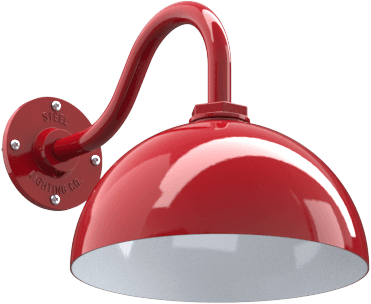
A 15-inch dome like the Rose Bowl can stand up to high ceilings. It is honestly the perfect size for a loft bedroom or a children’s room with bunk beds. However, in a standard ceiling, it’d be far too much.
UL and ETL Certification
Look for these marks in the product description or on a label. UL and ETL are independent testing laboratories, and either provides a symbol of approval that the product meets safety standards. The testing includes wiring, heat, fire risk, and electrical shock.
The words to look for is “listed” or “approved.” A piece marked “UL listed” or “UL approved” has been tested and approved in that category. I’m not saying that a fixture without a mark is unsafe for use. But there’s no confirmation of that.
Another detail you should look out for is the location rating. Fixtures are usually marked dry, damp, or wet location. Light fixtures for bedroom are often dry-rated, since it’s an indoor room with little to zero moisture.
And the Other Few Items
Some details decide whether I am happy with my purchase or not, a month later. I check the finish descriptions carefully. Black, brass, and raw steel fixtures all look different next to bedroom colors. Delivery timing is imperative for handmade pieces. Made-to-order fixtures often take longer to ship. As such, I keep this in mind when shopping.
I also read the return policy first to avoid future misunderstandings. Ultimately, shopping for bedroom light fixtures is less about finding the perfect one. Rather, it is about avoiding common mistakes: wrong color, finish, bulb and size!