Walk past a place that makes your jaw drop, and the first thing you’d notice is the lighting (doing all the heavy lifting, of course). You may not immediately notice the signage or even the landscaping, but the lighting? It will definitely catch your eye.
Commercial outdoor lighting is quietly becoming a key aspect of commercial setup. From developers to building owners to property managers, everyone is factoring them into their exterior plan, and for good reason. When done correctly, your building conveys a certain message before guests even arrive.

I’ve seen a trend in recent years that speaks beyond efficiency or brightness, both of which are important factors. However, intentionality now takes the cake. Now property owners are asking more nuanced questions. Not just “will this illuminate the area?” but “What is this light saying about me?” Thus, warmer, more focused lighting is fast becoming the standard.
The norm in commercial exterior lighting was to use bright, blue-ish toned fixtures that illuminated everything. Parking areas, shopfronts, the perimeters of buildings; all bathed in that jarring light. It worked, but it didn’t necessarily have a great visual impact. In recent times, these have mostly been replaced by a warmer, directed light.
Warmer and More Directed Lighting Is in Vogue
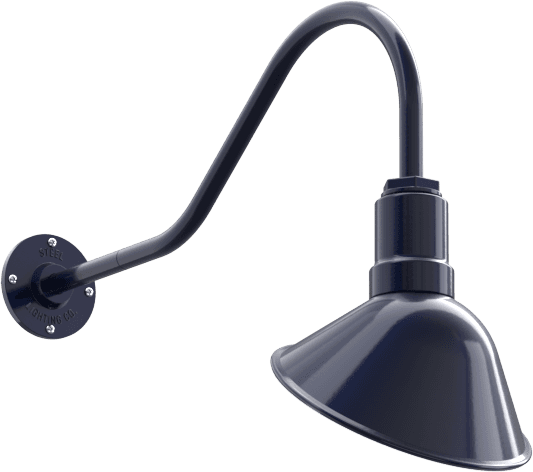
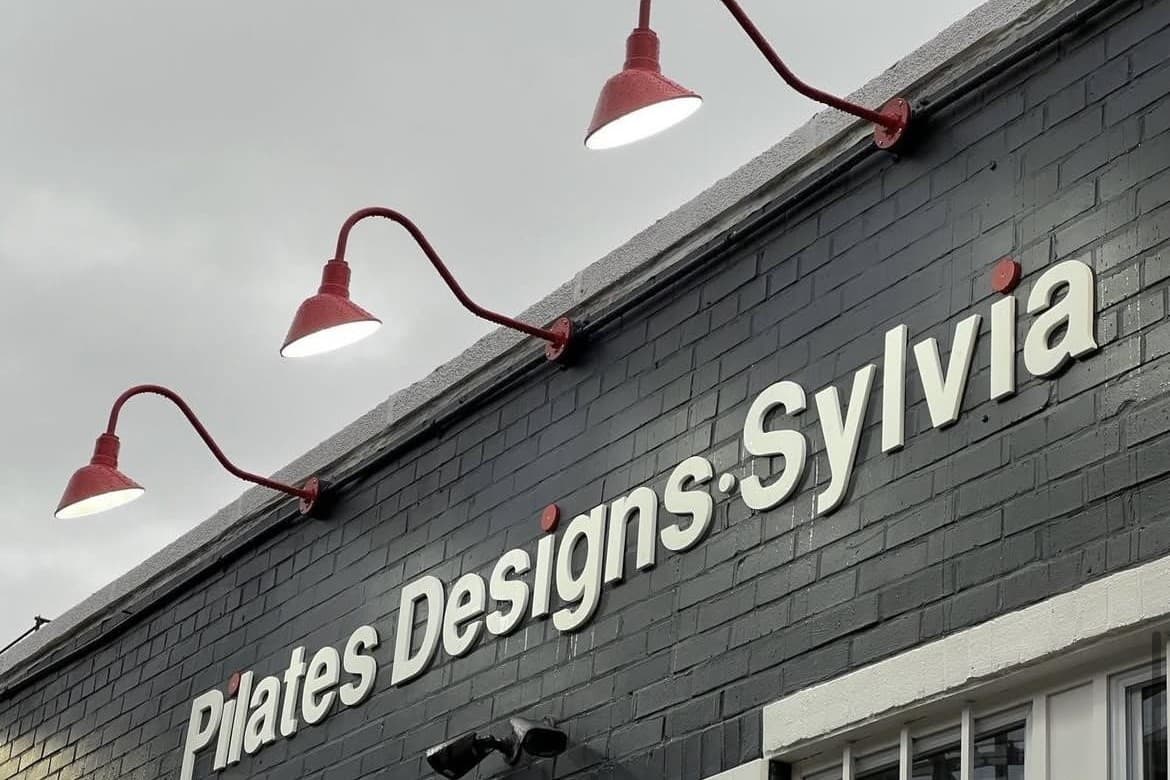
Take a look at any commercial building and you will notice angled fixtures. This is so because they can be positioned to highlight specific areas of commercial settings. They are especially important for signs or features you want to draw attention to. A focused light, when directed accurately, can be just as effective for a store window or an entryway as a spotlight is in a museum. For instance, a 9-inch angled light, such as the Venice, works incredibly well as a display light, highlighting an entry or a particular sign.

Beyond beauty, direction-centred commercial outdoor lighting helps to limit light pollution and ensures the focus stays precisely where it should be.
The High Demand for Gooseneck and Barn Lights
If someone told you a decade ago that barn lights would appear at boutique hotels, in eateries and in the windows of retail stores, you probably would’ve done a double-take. But here we are. Gooseneck barn lights have become synonymous with craftsmanship, a quality that commercial property owners are embracing eagerly. Their appeal lies in their versatility. The classic gooseneck can provide lighting above a garage or entryway while exuding strength and intentional design.

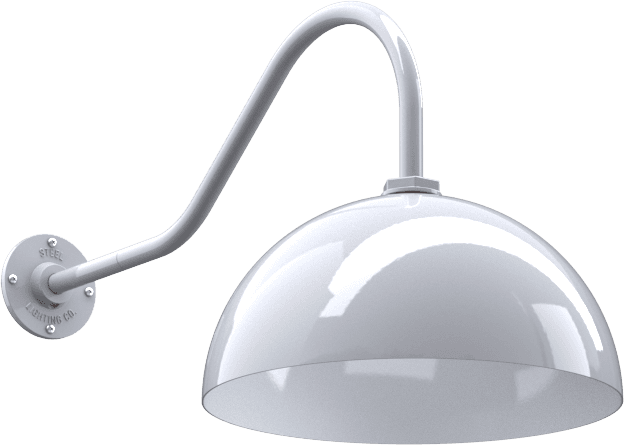
The Gardena, with its steel domed head and curved arm, perfectly encapsulates this. It combines robustness for outdoor use with a design that shows thoughtfulness, the very things commercial outdoor lighting needs. Of course, not all properties would benefit from a barn style.

The Coldwater, for example, takes this wall-mounted idea and gives it a more Modern twist. Its 14-inch dome has a classic look without being overly stylish. What this means is that it will be at home in a modern mixed-use building, as well as on your front door.
Retro and Vintage Designs are Taking Centre Stage
There’s a category of commercial real estate that takes retro and vintage commercial lighting seriously. I am talking about boutique bookstores, old hotels and creative firms, which rely on their lighting to tell their stories. For these businesses, off-the-shelf commercial outdoor lighting feels far too generic. What they use instead are light fixtures that convey personality.

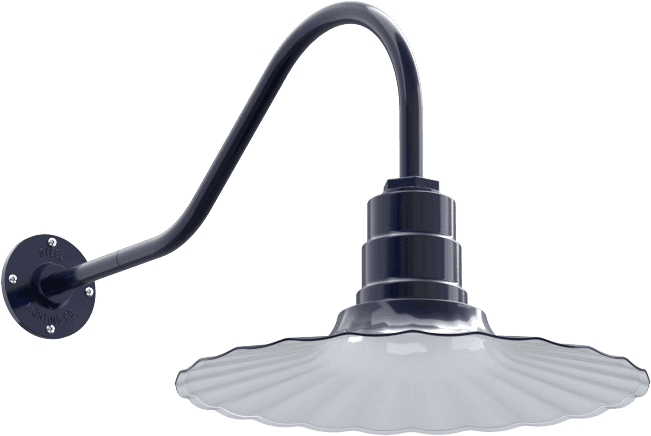
I can tell you for a fact that not every commercial setting might appreciate a 16-inch dome with a fluted shape like the Highland Park. But the ones that do, and make it work, draw customers in with a promise of something worth discovering inside the building. A bold fixture like this is an invitation to a memorable experience.
The Transition Between Outdoor and Indoor Lighting
One trend currently making the rounds is the evolution of commercial outdoor lighting into transitional and indoor settings. I have observed with passionate interest how commercial lighting has started to flow into transitional zones and indoor spaces. Think covered walkways, entryways and outdoor dining areas in restaurants and so on. All of these areas benefit from fixtures crafted with exterior durability, while keeping interior aesthetics in mind. As commercial property owners seek to create comfortable, well-lit spaces, they are increasingly integrating pendant lighting into transitional areas.

The Moorpark, a 14-inch cone-shaped pendant, for example, can offer warm, ambient lighting in a commercial foyer or dining area and is a great alternative to a standard, recessed ceiling light. The feeling is subtle and speaks volumes about how intentional you are with every element of your building.
Energy and Lifespan Considerations
We can’t have a conversation about commercial outdoor lighting and not factor in the practical side of things. Speaking of practicality, nothing compares to energy-saving LED lights. They have evolved to the point where their efficiency is undeniable. Now the main topic of discussion is a fixture’s quality and whether it will survive outdoor weather conditions.
No questions asked, a fixture needs to be able to endure years of weather and usage while retaining its appearance. Steel-based construction takes the spotlight here. Fixtures built from quality steel withstand everything, from harsh winter conditions to extreme summer heat, without sacrificing their visual appeal or structural integrity. A fixture that needs to be replaced every few winters is hardly a good long-term investment. That said, do your due diligence and choose right!
What this Means for Your Property
Whether you’re furnishing a single store or planning the exterior of a major business development, the advice from lighting experts remains the same: “Think about what you want the lighting to achieve, beyond illumination.”
Consider how it looks at night as people walk past. Does it tell a story about your property? The truth is, commercial outdoor lighting has gone far beyond the merely practical and into the strategic, and those businesses and properties that excel in the present are those that apply the same intentional thought process that goes into interior design.