Choosing the right ceiling lights is one of those tasks that seem deceptively simple until you’re standing in the lighting aisle of your favorite big box store at 7 p.m. On a Tuesday night, feeling overwhelmed, and just grabbing something that feels roughly right. I’ve been there. Most of us have. Then you get the light fixture hung and realize something is off: it’s not that it’s “bad,” it’s just… Wrong.
I’ve gone through this enough times that I’ve started paying closer attention to which ceiling lights I’ve felt really worked in a room and which ones have felt “off” after they’ve been installed. Turns out, it’s rarely about the fixture itself at all- it’s more about whether the fixture is right for the room you’re putting it in. This sounds incredibly obvious but, it genuinely isn’t the way most of us shop.
So, here’s the way I approach it now:
Size first, then shape and finish.
Seriously, before you start obsessing over a finish or a shape, measure your ceiling height. Measure the room size. Because in my experience, nothing has failed to look right in a room more often than a ceiling light fixture that’s the wrong scale for the space-usually a fixture that’s too small-and the subsequent question: “Why does my room still feel unfinished after I hung this light fixture?”

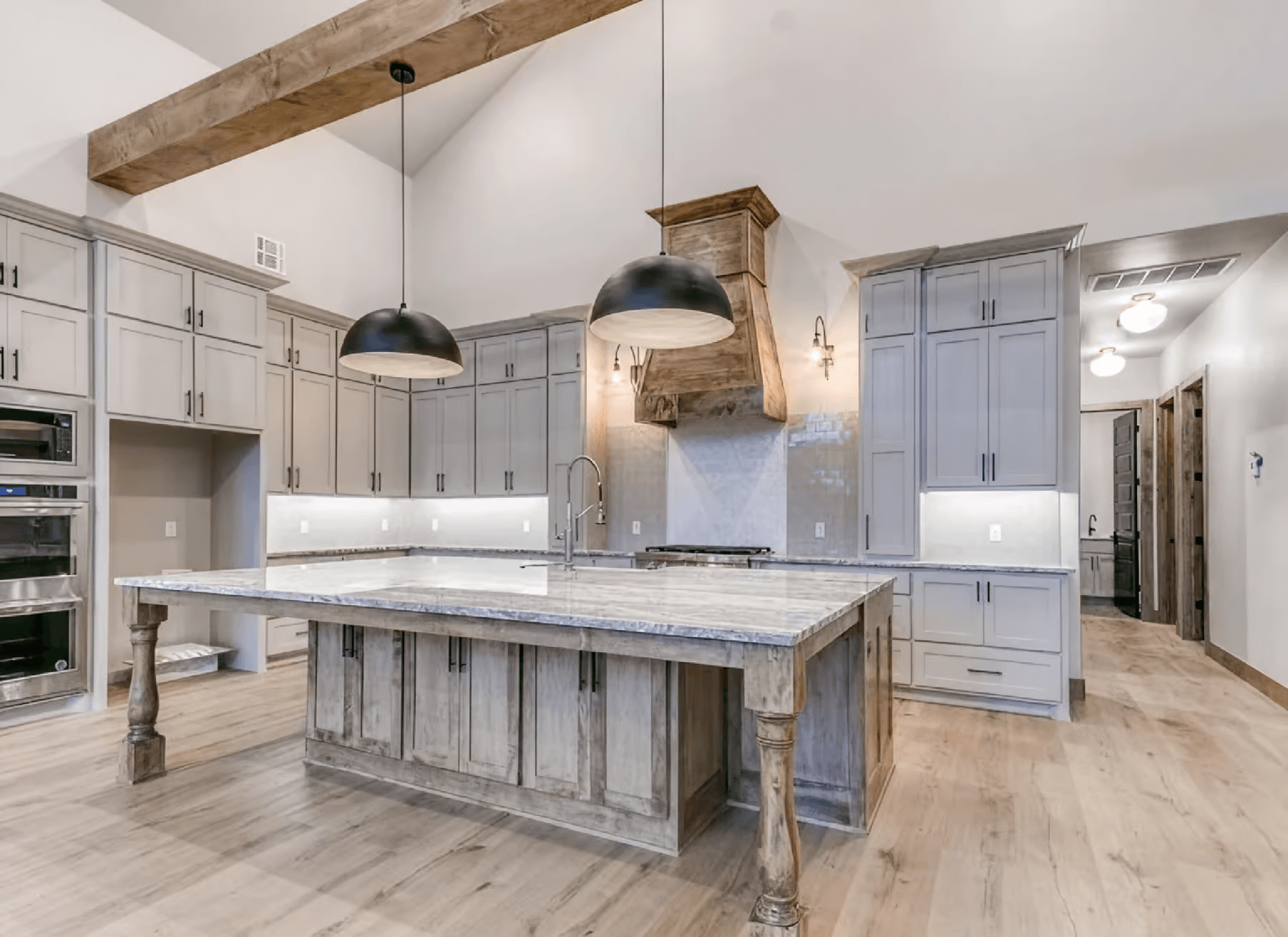
A quick calculation that has served me well so far: add your room’s length and width in feet. That number, converted to inches, is roughly the diameter you’re looking for on a single central fixture. So for example, in a 12×16 foot room, I’m looking at something in the 28-inch diameter range. If I’m grouping pendants over an island or a counter top, I want each fixture to be roughly one third of the counter width.
Ceiling height, again, is so important. Anything below 10 feet requires ceiling lights that do not hang too low and are not excessively large. Once you have more than 12 feet worth of ceiling space to work with, the fixture needs to have some weight, otherwise it will seem like a dangling lightbulb.
Bowl-shaped Ceiling Fixtures for the Win
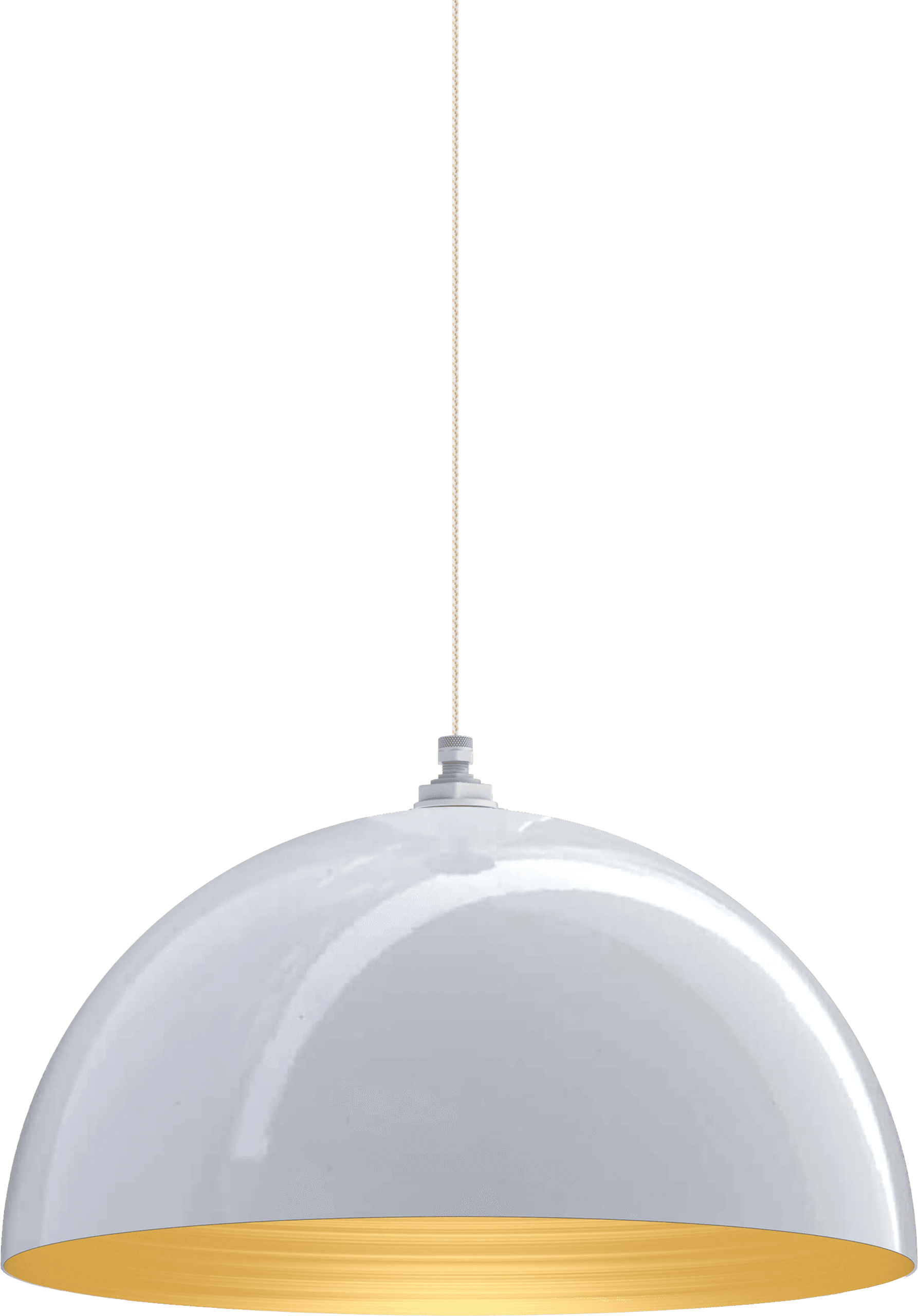
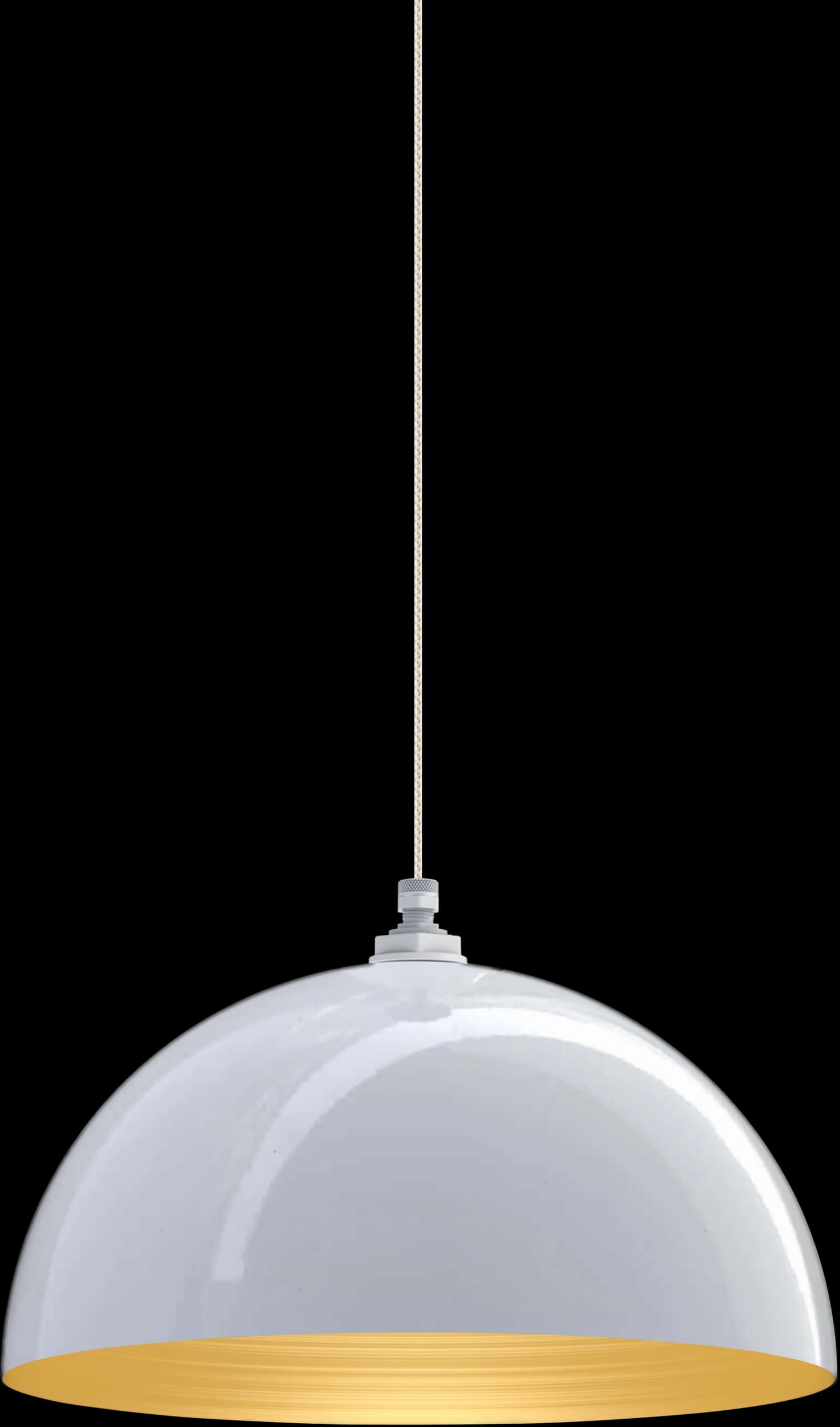
These often work so well for homes and commercial spaces, and there’s a reason. The shape of ceiling lights affects how light is distributed around the room and how it “reads” in the space. Wide, shallower bowls distribute the light more broadly throughout a room and have a welcoming feel without feeling too intense. The Melrose is the fixture I’ve been recommending for years for this. It’s an 18-inch, rounded bowl pendant made from hand-welded steel in the U.S., powder-coated for durability, and it looks great in photos, but even better in real life. It works so well above an island, or in a restaurant.

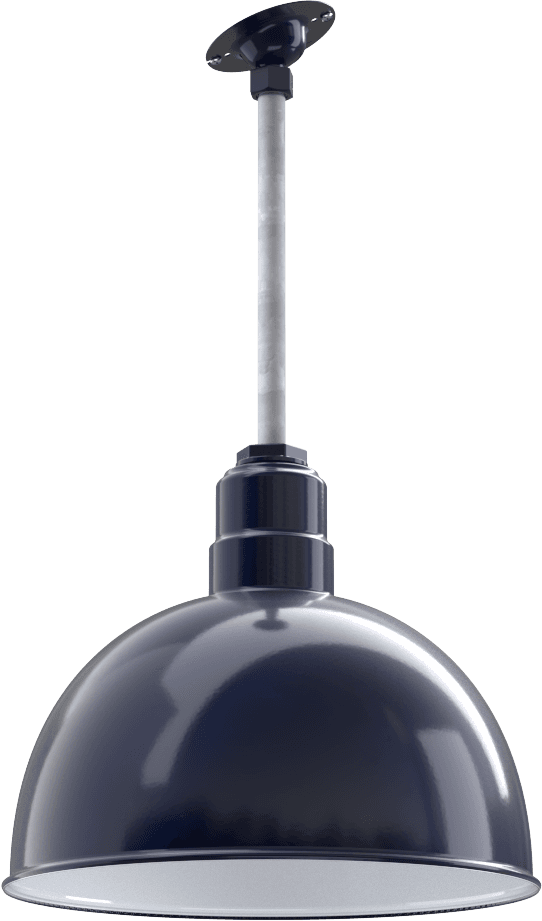
Taller, more upright dome-shaped ceiling lights are entirely different. These take up a bit more visual space and focus the light directly downward, making them suitable for areas where you want that kind of focused illumination and the extra vertical space to absorb the fixture’s visual weight- think barn, warehouse, or vaulted ceiling structure.
The Rose Bowl is a fixture that really fits in that category. It’s not for your average bedroom or living room; it needs vertical space and would look awkward or overwhelming in smaller rooms.

It can withstand large spaces, however, and rewards you with excellent illumination when it has room to breath.
What Works for Smaller Spaces?
So many of the articles you’ll find, focus solely on huge spaces with extremely high ceilings and barely acknowledge the vast majority of homes that have normal kitchens, ordinary bedrooms, and living areas that are not going to make the cover of a magazine. A 10-inch dome pendant fixture called the Beverly, is a great example of what works well in smaller or average spaces; I’m a huge fan of its ability to be effective without feeling like it’s too much in the space.

It’s streamlined with a nicely rounded dome, and the brass inlay on this fixture, is particularly stunning. People keep coming back to this one, because it provides excellent light above a kitchen counter and works just as well above a small bar or at a cafe. It makes the room feel “thoughtfully curated,” without overwhelming the space or making your ceiling feel too low.
Don’t Underestimate the Lampshade!
Most people think of dome-shaped ceiling lights when they imagine a modern or an industrial style light, but the lampshade silhouette really can and does do something a bit different: The Laurel is an 8-inch lampshade style pendant and I find it really quietly appealing for a number of reasons. It’s not an “anchor” light fixture in the same way a wide bowl fixture is, but it provides a wonderful sense of quiet elegance that adds a layer to your room’s overall aesthetic.

Placing it above a sink or a cafe counter simply looks right, and for someone who wants their space to feel considered, but where they don’t want the lighting to be the immediate focus when someone walks in, it’s a fantastic option.
For The Times When Your Space is Big Enough to Carry It…
There are certain spaces such as converted warehouses, dining rooms with 20-foot ceilings, houses with vaulted living spaces; where a regular pendant simply looks tiny. The Manhattan, is the large-scale fixture that fits that bill. It’s a 20-inch dome that requires at least 15 feet of ceiling height (I wouldn’t suggest it at anything less than that) and it’s hands-down one of the best large-scale pendant fixtures I’ve found for spaces like that.

It’s substantial and durable without feeling crude or over-the-top and is available as a stem fixture, flush-mount or braided cord.
Finishes and Cord Color – Parts that People Tend to Overlook or Rush Through
By the time I get to selecting a fixture’s finish, our customers are almost always exhausted from making a million decisions, and I see them instinctively select a matte black fixture, because it’s so versatile. And really, matte black can look great, but I do always recommend taking a moment to consider your other options.

A galvanized steel fixture can add a bit of an industrial feel to a room with brick, concrete or reclaimed wood, and lighter finishes often read as modern or Scandi. A white fixture on a white ceiling is great for a room where you want the lighting to blend in.
Choosing a cord color also makes a difference. A black cord on a white ceiling can be very intentional. And depending on the room’s color scheme, a colored cord can become another layer of your design. The ceiling lights above all come with color options for the cord, and I encourage people to spend five minutes on it; you’ll love how much of an impact this can make.
It’s all about getting the size right, then the shape, and then the finish, in that order. The ceiling fixtures that have felt like they truly “belong” in a room have almost always been chosen this way.