
We’ve all walked into a particular kind of room at some point in our lives. Quality furniture, solid paint color, and yet something feels off the second the sun goes down. And nine times out of ten, it’s the lighting. Usually in these rooms, a single flat fixture does all the work while everything below it gets the short end of the stick. The question is, how or why do we overlook these simple details?
We’ve rounded up the answers and a guide so you can pick, design and enjoy the best lighting for interior design. Let’s get designing!
Stop Depending on One Light to Do Everything
The unsung hero of every lighting design is layered lighting. The one-fixture-per-room mentality is fading, and for good reason. Ambient light provides overall illumination. Task lighting provides reading and cooking light. Accent lighting brings personality to a room. Many homes still depend on option one: a builder-grade overhead fixture that was never meant to be the star.

Pendants Are Getting Bolder
Pendant lighting used to mean small and easily forgettable. But no more!. Homeowners now choose fixtures with weight and story in their shape rather than a plain glass globe. A dome pendant that packs a punch reflects well in more ways than you might think.

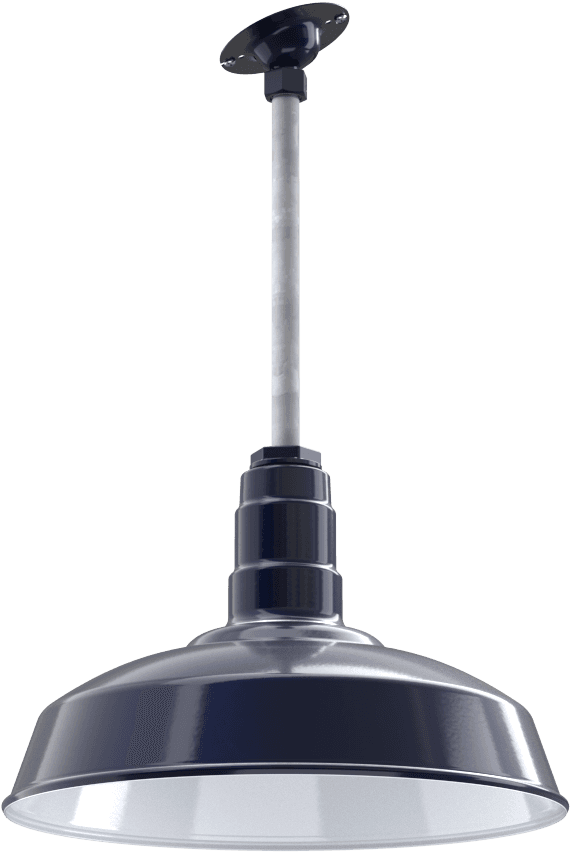
The Carson, a 16-inch steel dome with that quintessential American barn design, exemplifies this. It shows how a shape historically tied to one design language can look contemporary in the right context.
Bedrooms Don’t Need To Play It Safe
No light source in a bedroom is more boring than the ceiling-fixture-and-table-lamp combo at each nightstand. A wall-mounted sconce, however, leaves you room on your nightstand and adds visual interest to an otherwise empty wall. These are particularly good in small bedrooms that might otherwise feel crowded by a bedside lamp, which is often a poor use of space.

Our smallest dome, the 8-inch Hawthorne, is a perfect fit for this type of installation. It is small enough to sit beside a headboard yet be unobtrusive. The farmhouse finish also keeps it from feeling overpowering in a smaller room. Definitely one of the best lighting for interior design.
Dining Rooms Deserve Better than a Chandelier Default
Dining light often goes one of two ways. If it is not an oversized chandelier that overwhelms the room, it is a boring regular light that doesn’t attract a second glance. I love the idea of a modest single pendant over the table, or multiple well-placed ones. This will help bring all the attention to your dining area.

I love the Beverly light (pictured above) for lighting a dining or seating area. It is available as a 10-inch diameter pendant and can also be ordered with a brass inlay. Moreover, its round shape stays soft over a dining table rather than looming over it. The brass adds just enough shine to feel thoughtful without feeling stiff.
The Island Deserves Its Own Spotlight
We can’t discuss the best lighting for interior design without mentioning island lighting. Islands get more lighting attention than nearly any other spot in a home. I understand this sentiment, given how much time people spend gathered around one.

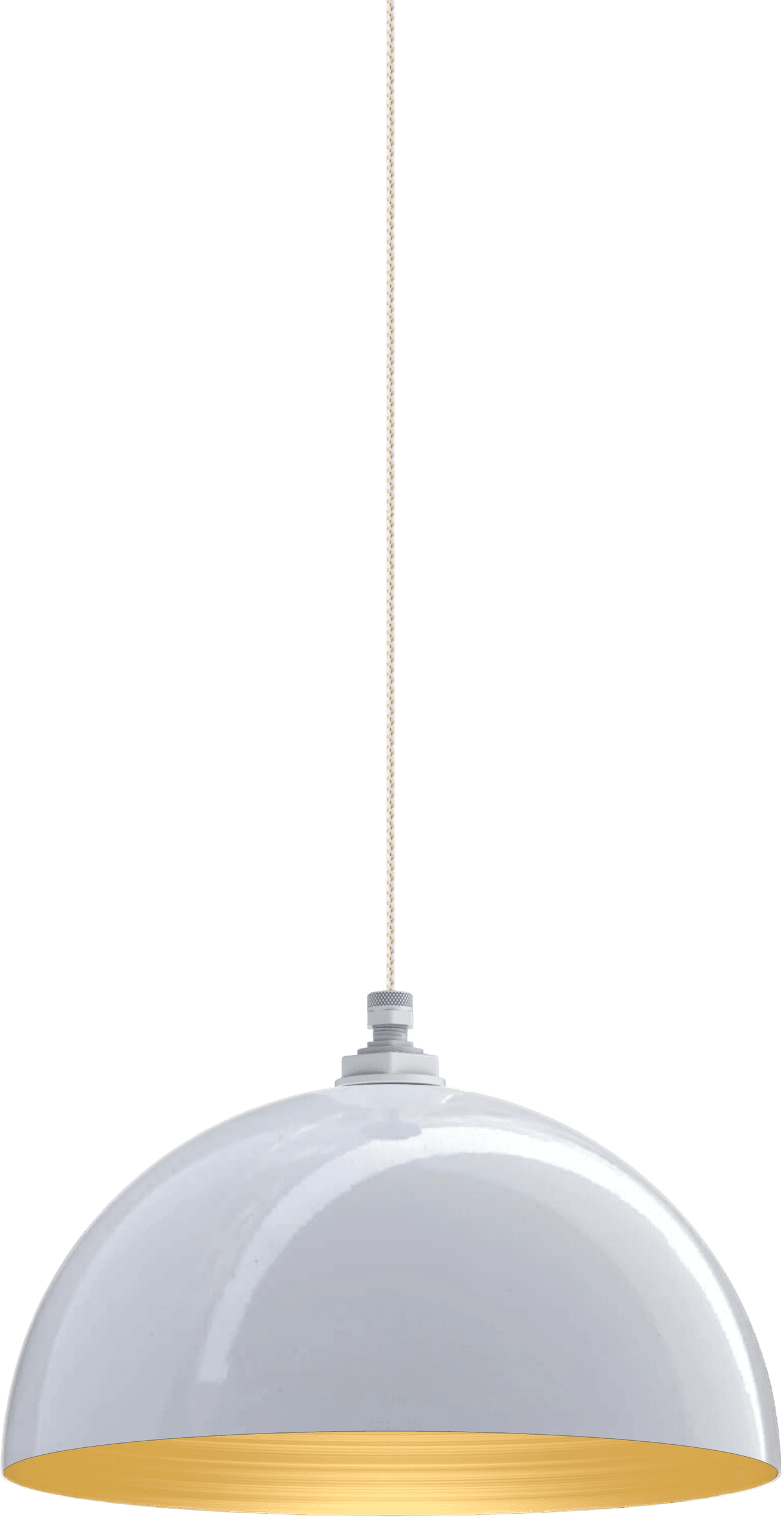
A statement-making, oversized pendant, hung a touch lower than expected, helps deliver that editorial kitchen aesthetic many of us are hunting for. The Magnolia, at 15 inches with a brass interior finish, fits that role well. It’s bold enough to anchor the space above the island without requiring a handful of smaller fixtures for impact.
People Are Finally Taking Risks in Their Living Rooms
Correct me if I am wrong, but your living room light was the last thing you picked or thought of. This lack of attention is all starting to change. Many living rooms now feature fixtures that look more defined than purely functional.
Gooseneck fixtures, which were originally more of an industrial or exterior design staple, are increasingly showing up indoors as accent lighting. And trust me, the shift makes sense!

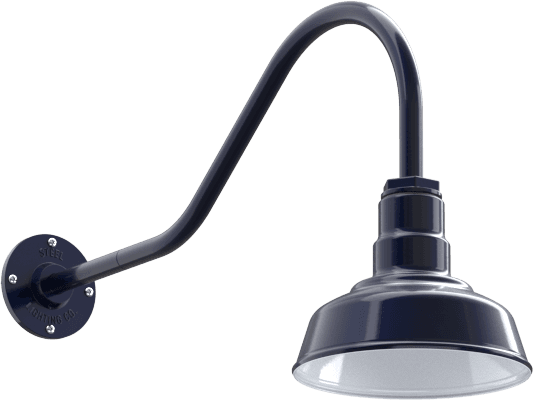
The curved arm and rounded shade add visual direction to a room. Just take a look at the Topanga, inspired by old gas-station lighting. Consider its curved lip and 14-inch dome, which bring elegance to a living room as a reading lamp or statement piece beside a favorite chair. This is how you choose (and then style) the best lighting for interior design.
Warm Light, Always
This is non-negotiable: Toss out any cold, blue-white bulbs. If your fixture still emits that hospital-hallway gloomy look, swap the bulbs in your room. This will have more impact than almost anything else on this list. Opt for the 2700K to 3000K range for good measure. It’s the fastest upgrade you can make, and you’ll notice the difference right away.
Bathrooms Need More Thought Than They Get
Vanity lighting is quite tricky to balance. If it is too bright, it will be harsh. If it is too dim, you will barely see past your shadow when getting ready. A double-dome fixture is the better choice than a single central bulb, as it offers a more even spread of light across the mirror.

The Lawndale is furnished with two 8-inch domes for exactly this purpose. It provides rustic style with a size that works well in smaller or mid-sized bathrooms.
Materials Are Getting Mixed, And That’s a Win
The rule was to match every finish in a home. Thankfully, that rule is mostly in the past now. From a black range hood with brass hardware to steel wall sconces alongside warm wood accents, no one is obsessed with matching everything anymore. And the result is more intentional and thoughtful. Mixed metals read as curated rather than mismatched, especially when something about them is similar, like tone or era.
The Takeaway
The one thing you should remember from all of this? That the best lighting for interior design isn’t a finishing touch or a decoration you add at the end of a project. It’s what defines the feel of an interior room and shouldn’t be one of the last elements to be considered, but one of the first.